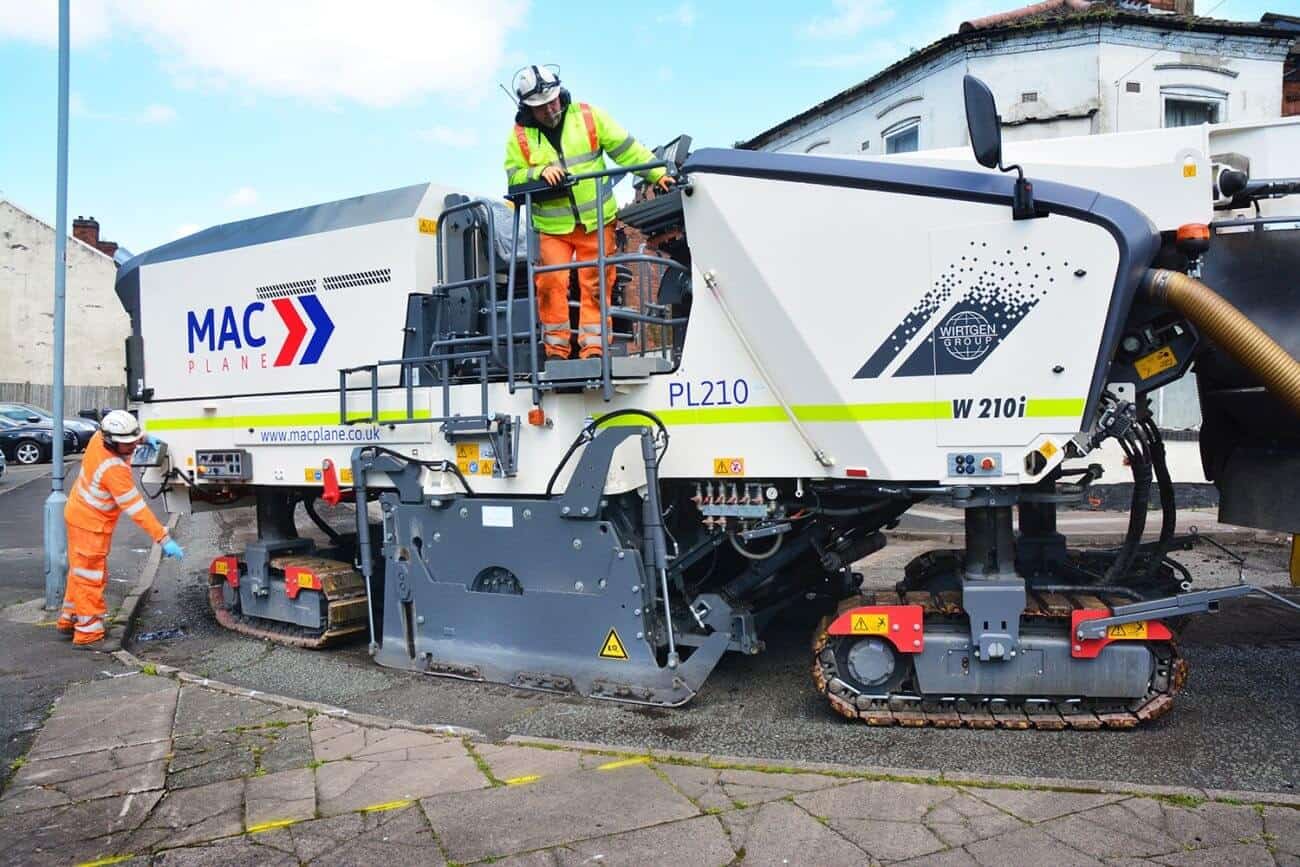

The right road planer size depends on the width you need to cut, the depth of material you need to remove, the working space around the machine and how the surface will be reinstated. A small footpath planer suits narrow, awkward areas and controlled patching. A 2 metre planer is built for larger carriageway work where production, level control and fewer passes matter more.
For contractors arranging road planer hire, the choice is rarely just about getting the biggest machine available. Planer width, planing depth, access, traffic management, tipper movements and the crew around the machine all affect whether the shift runs cleanly. The right plant, the right people, every time, comes from matching the machine to the job before it arrives on site.
Start with the finished result
Before choosing a planer size, work back from what the surface needs to look like when the planing is complete. Are you removing a failed surface course before resurfacing? Are you regulating levels around ironwork, kerbs or tie ins? Are you taking out a deeper construction layer? The answer affects both planer width and planer depth.
A shallow skim across a wide carriageway asks for a different setup from a narrow trench reinstatement or a footpath patch. If the next trade needs a clean, even base for surfacing, the planer has to leave a controlled profile rather than simply remove material quickly. A good hire partner will want to understand that outcome, not just the square metres on the order.
How planer width affects the job
Planer width is the cutting width of the drum. In simple terms, a wider planer removes more material in each pass. That can reduce the number of runs, shorten the programme and help keep levels consistent across a large area.
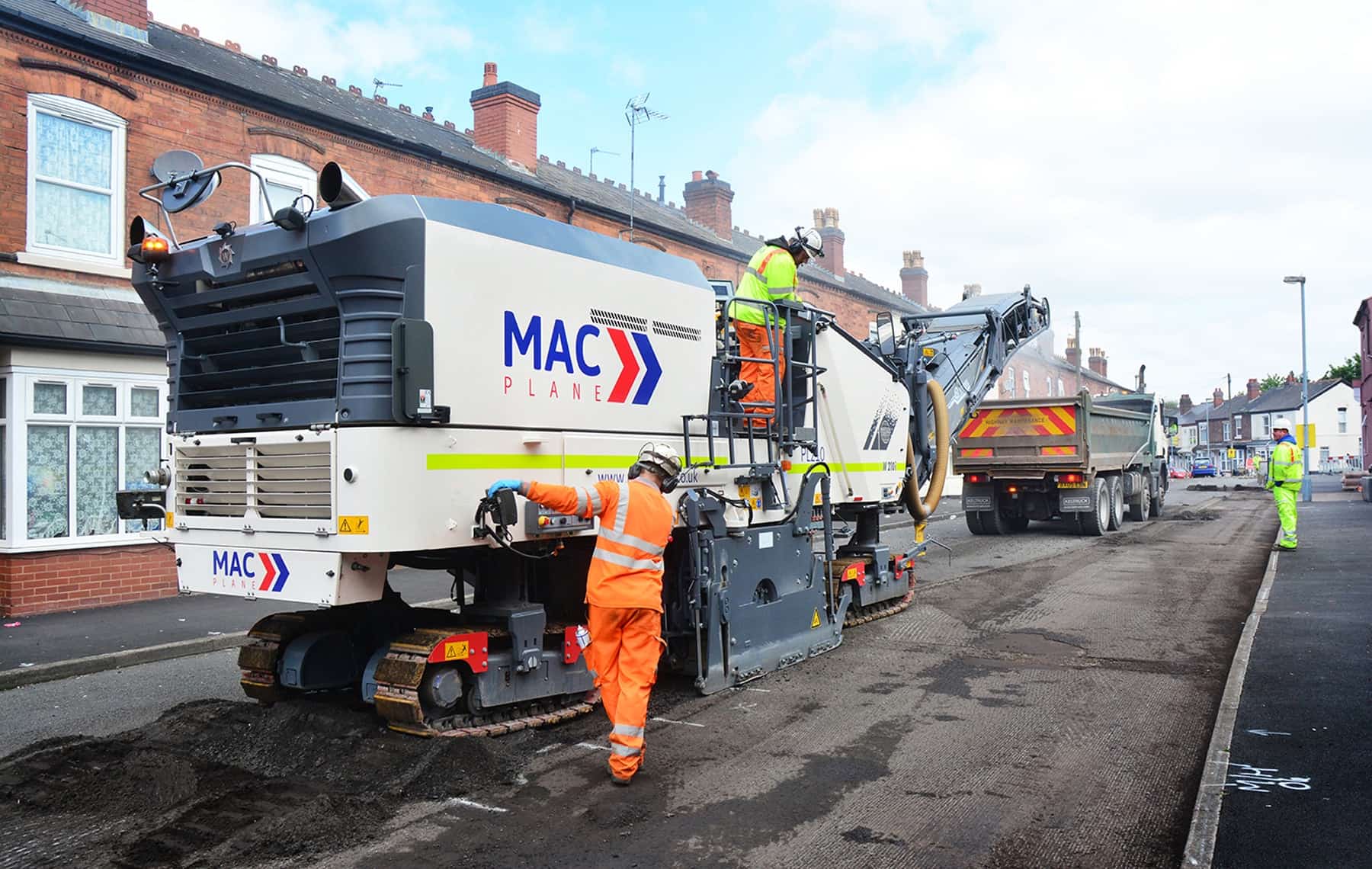
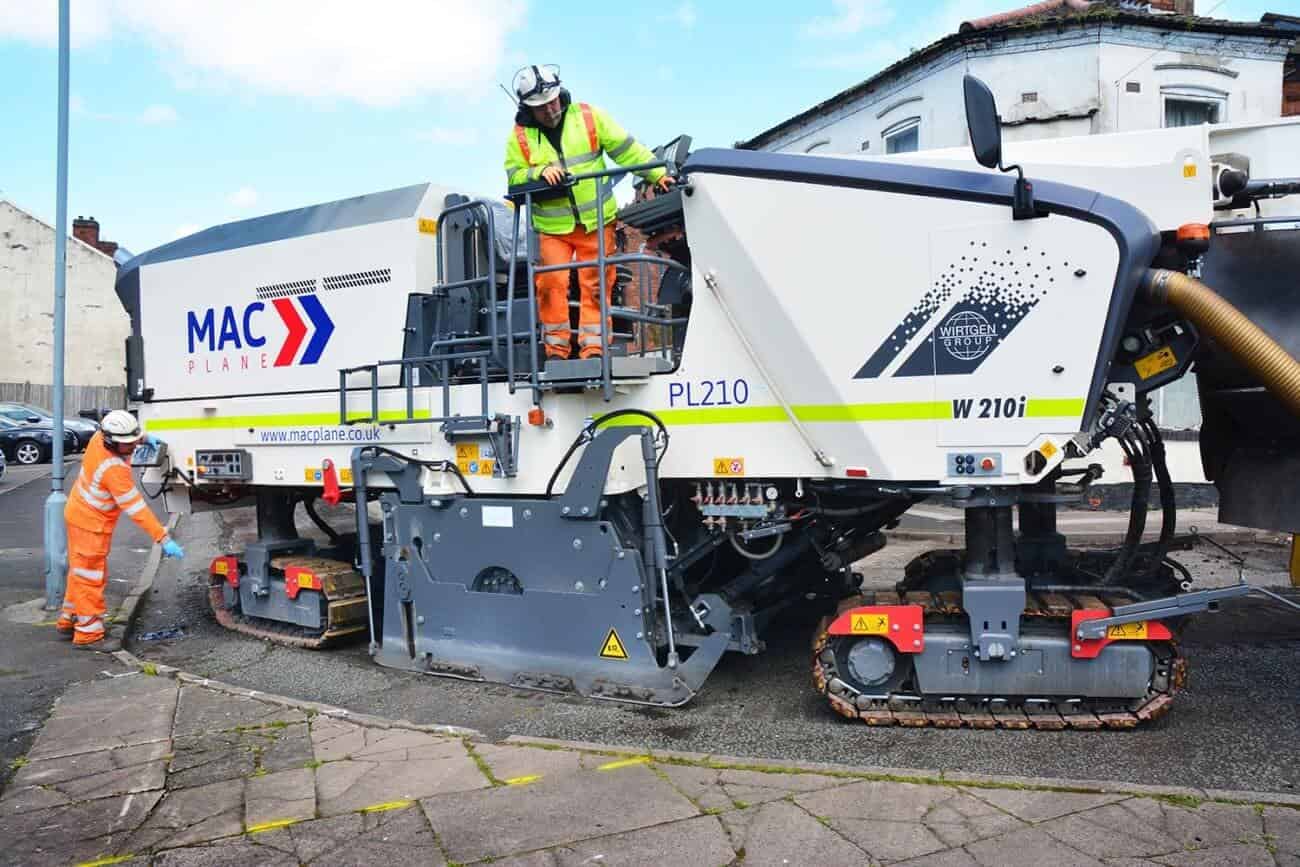
On open carriageway work, a 2 metre planer can be the right choice because it can cover full lane widths more efficiently, depending on the layout. It is suited to road planing where the site has enough room for the machine, the support vehicles and the crew to work safely. It also needs the logistics behind it, including wagons, sweepers and traffic management that can keep up with the output.
On smaller sites, tight streets, footpaths, edges, bellmouths and awkward tie ins, a smaller planer can be more useful. It may take more passes, but it can get into areas where a larger machine would be slow, restricted or unsuitable. For hire customers, that can mean fewer delays around access and less handwork around the edges.
How planing depth changes the decision
Depth is about more than setting the drum and starting the cut. The deeper the planer is asked to work, the more load it places on the machine, the more material needs removing and the more important the surrounding operation becomes. Deep cuts can affect programme, haulage, sweep up and how the exposed surface behaves afterwards.
For shallow surface removal, smaller machines may be suitable if the area is limited and access is tight. For wider, deeper planing, a larger machine will usually be considered because it is designed for heavier output and better continuity over bigger runs. The planer depth also needs to match the surfacing design. If too little is removed, the new material may not sit correctly. If too much is removed, you may create avoidable make up work or level issues.
What changes between a footpath planer and a 2 metre machine?
A small footpath planer is about control, access and working in confined areas. It is useful where the site is narrow, broken up by street furniture, close to kerbs or limited by pedestrian management. The pace is usually lower, but the machine can work where a larger planer cannot sensibly operate.
A 2 metre planer is a different operation. It is chosen for larger areas where output and consistency matter. The working area has to be planned around the machine, with room for loading out, safe movement and a steady flow of vehicles. When the site is ready for it, a larger planer can reduce passes and help deliver a cleaner, more consistent planed surface.
The crew requirement also changes. A larger machine needs an operation that is properly coordinated, with clear roles around banksmen, wagon movements, sweeping, edges and level checks. Even on smaller plant, the people around the machine make a big difference. Operated plant hire is not just the machine turning up, it is the machine being used properly by people who understand surfacing sites.
Access and site restrictions can decide it
Many planer hire decisions are made by the site before they are made by preference. Width restrictions, parked vehicles, kerb lines, live traffic, pedestrian routes, overhead constraints and available loading space can all rule machines in or out.
A 2 metre planer may look efficient on paper, but if wagons cannot get close enough or the machine has to keep stopping, the benefit can disappear. A smaller planer may be slower per pass, but quicker overall if it fits the space, keeps moving and reduces disruption to the rest of the programme.
Think about the whole road planing operation
Road planing is part of a sequence. Planing, loading, sweeping, checking levels and preparing for resurfacing all need to work together. If one part falls behind, the planer can stand, wagons can queue and the surfacing window can tighten.
That is why it helps to discuss the job with the hire team early. Share the location, likely depths, widths, access limits, phasing and what comes after the plane. A practical conversation can often identify whether the job needs a small planer, a larger machine, additional labour or a different approach to sequencing.
A practical way to choose
Choose the smallest machine that can do the job properly, but not so small that it creates unnecessary passes, inconsistent levels or a longer programme. Choose the largest machine only when the site can support its output. The right answer sits between production and practicality.
For contractors and supply partners, MAC Paver Hire and MAC Plane provide operated plant and crews to support surfacing and civils work without positioning themselves as your competitor. If you are unsure which planer width or depth suits the job, a short conversation before booking can save a difficult shift later.