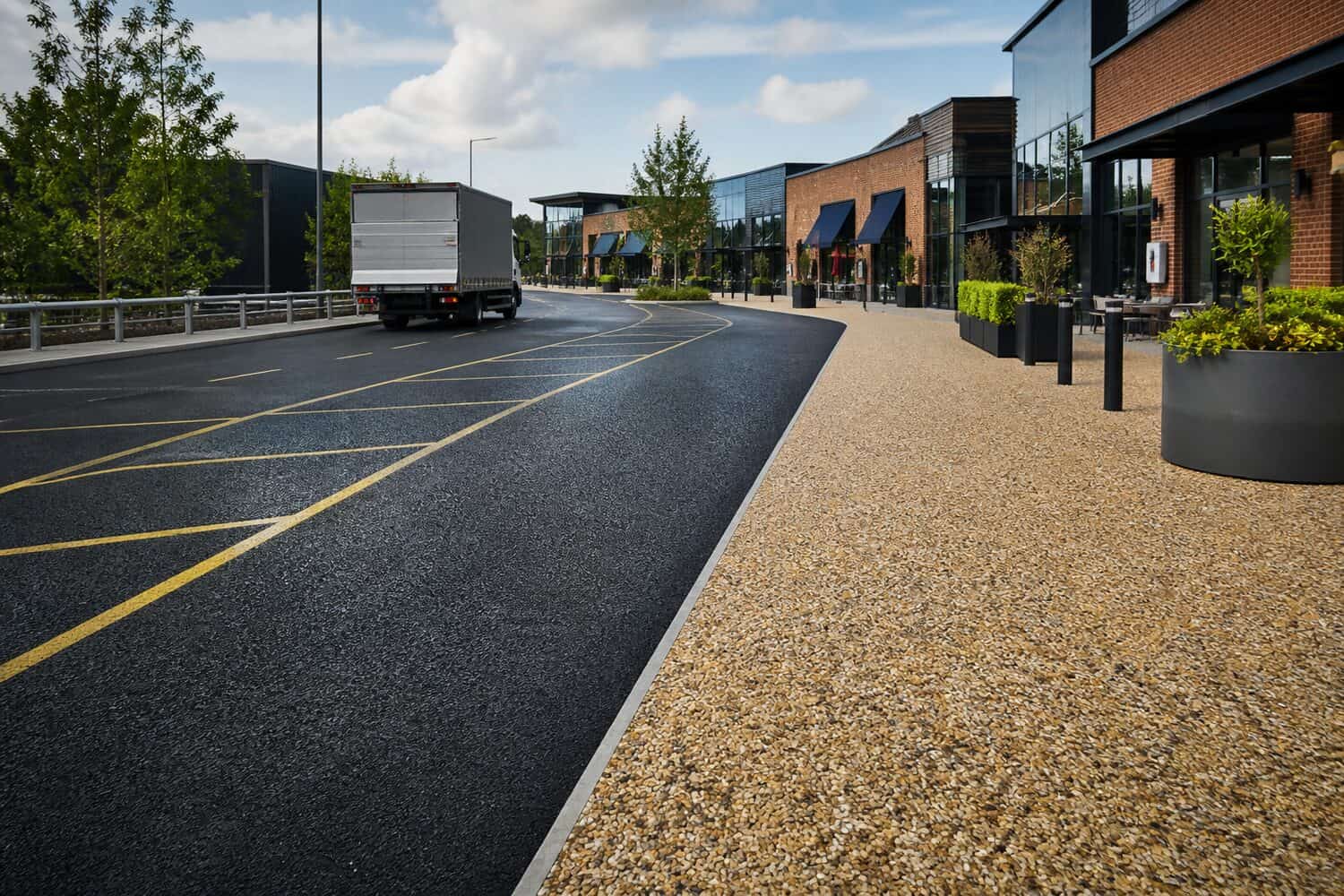

Resurfacing rarely gets signed off because someone loves fresh tarmac. It gets signed off because the surface has started costing money in other ways: claims, complaints, patch invoices and a site that looks worse than the business behind it. The value of doing it properly shows up in budgets and reputations, not just in the finish.
This page is for facilities managers, landlords, estate managers and site owners weighing up whether a resurface is worth it this year or whether the patching can run another season. No prices here (always POA after a proper survey). Just the real benefits, the ones that justify the spend, and how to tell when they apply to your site.
Safety: the benefit that carries liability with it
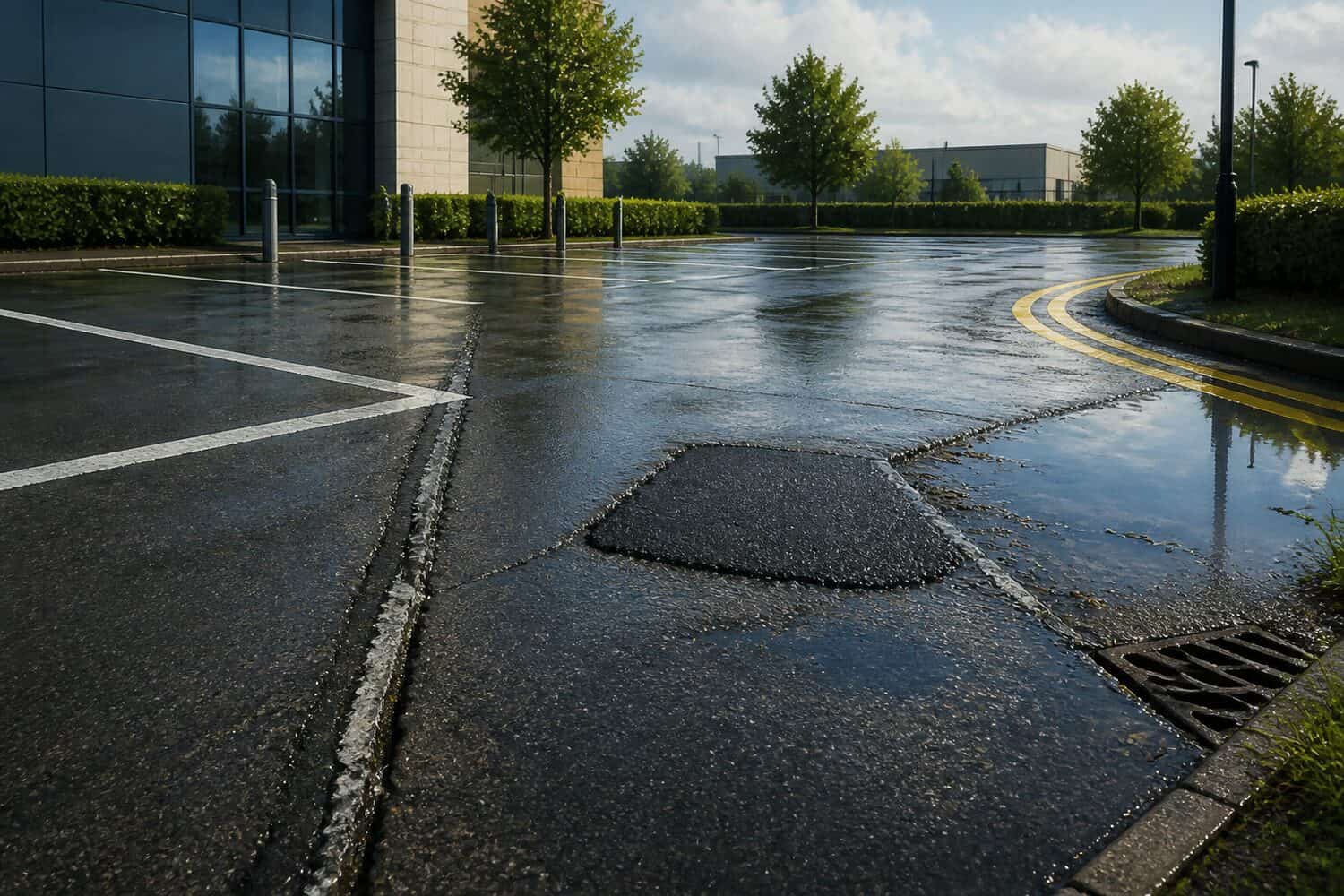
A worn surface is not only untidy. It is a documented risk sitting on your premises:
- Potholes and raised edges are trip hazards for pedestrians crossing the park
- Ponding freezes in winter and turns bays and walkways into slip zones
- Faded markings stop controlling traffic: no clear bays, crossings or one way flow
- Loose chippings from a fretting surface damage vehicles and end up underfoot
Once a defect has been reported and logged, leaving it unassessed creates avoidable risk. Resurfacing can help address the defect, but the finished work still needs to be checked against the agreed specification and the site's actual requirements. For schools, care homes and retail sites, that record matters as much as the surface.
Reputation: the surface is the first thing visitors judge
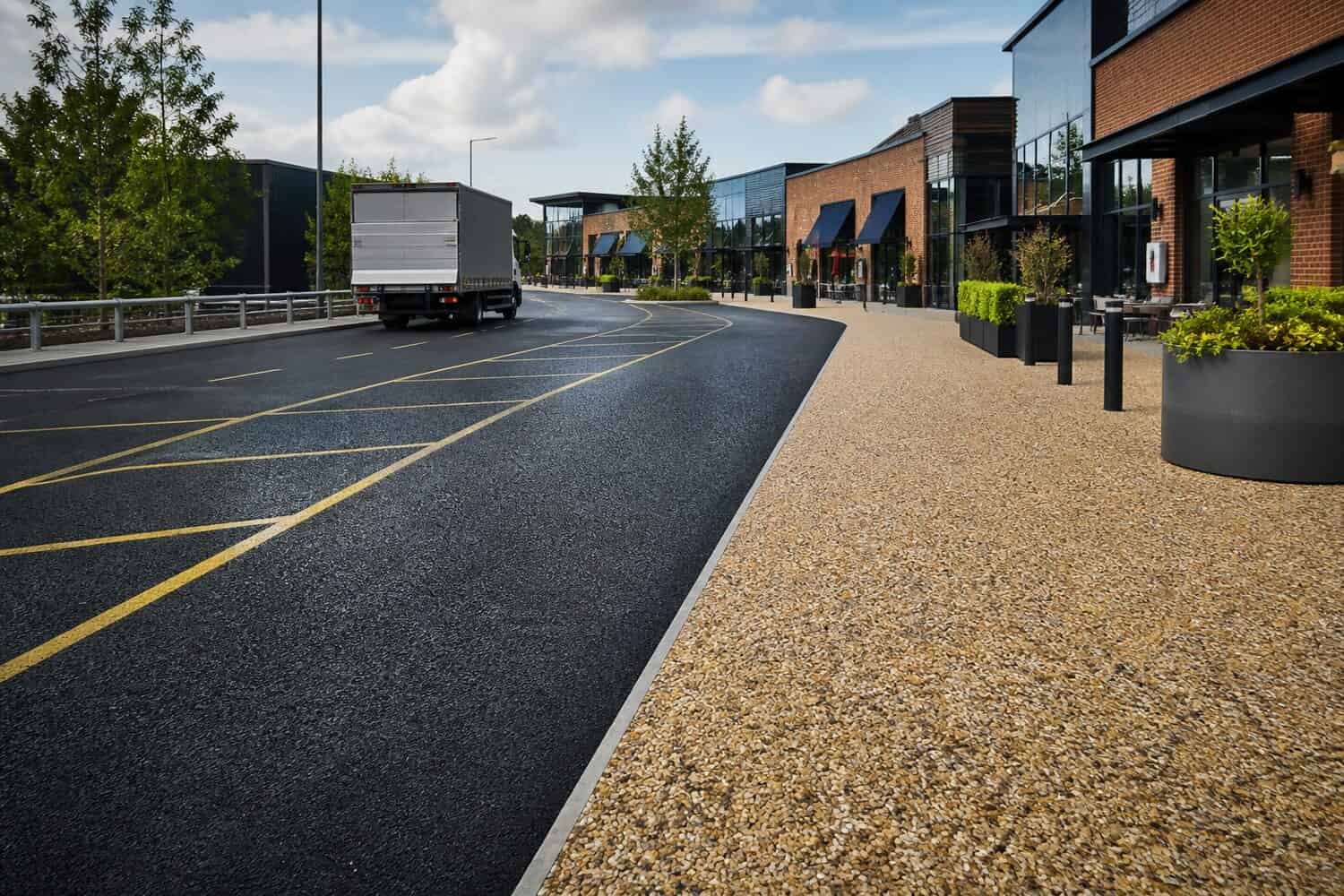
Nobody walks a site thinking about binder courses. They notice whether the entrance feels cared for. A cracked, patched approach tells customers, tenants, parents and inspectors that maintenance runs behind. A sound one says the opposite before anyone reaches the door.
For landlords and estate managers this converts directly: viewings, lease renewals and service charge conversations all go easier when the common areas look managed. For operating businesses it is the difference between a forecourt that supports the brand and one that undermines it.
Whole life cost: where resurfacing earns its keep
The financial case is the one worth doing properly, because reactive patching hides its true cost across several budget years:
- Repeat patch visits to the same failing zones, each with its own mobilisation cost
- Emergency callouts when a pothole opens in the wrong week
- Claims, excess payments and the admin time that follows every incident
- Vehicle damage complaints from staff, tenants and visitors
- Disruption on the site's terms, not yours, because failures pick their own timing
Compare the documented cost of repeat repairs, callouts and disruption with a properly scoped resurfacing option. The result depends on the site, but looking across several budget years gives a fairer picture than comparing one patch invoice with one resurfacing quotation. That is the whole life comparison worth making before another patch round. Our guide to repair or resurface decisions sets out how to tell whether your site has crossed that line.
Planned work beats reactive work every time
A planned resurface is programmed around your calendar: term holidays, quiet trading windows, off peak hours, phased by bay or zone so the site keeps running. Done without disruption is a planning exercise, not a slogan. Reactive repairs are the opposite: they arrive unannounced, close the wrong areas at the wrong time and put you on the phone chasing a crew.
Planning 6 to 12 months ahead also buys you options. Surveys can be done properly, drainage corrected while the surface is up, and the work sequenced with any other site improvements instead of fighting them.
A chance to fix what the old surface was hiding
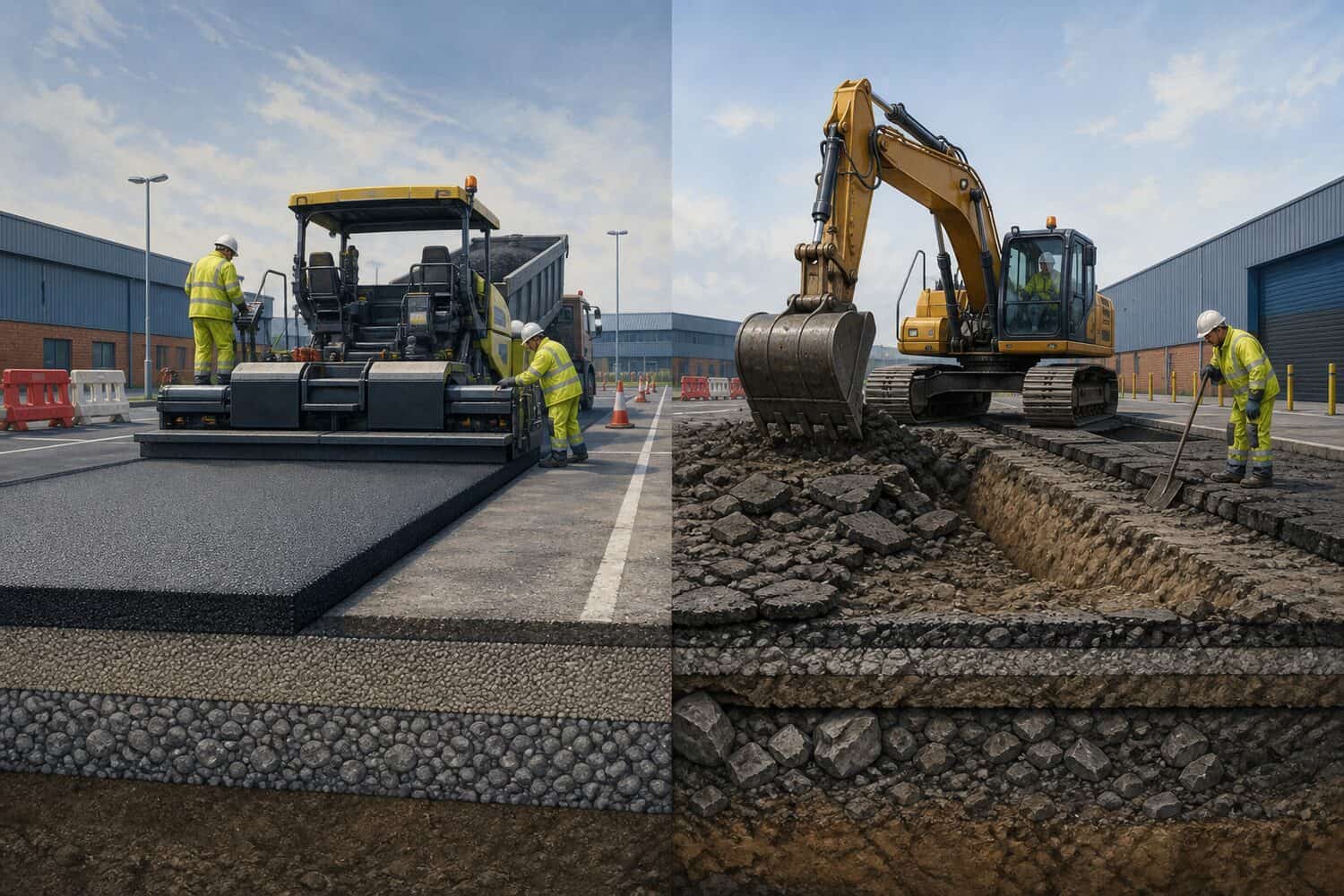
Resurfacing is the one moment the site is opened up, so the underlying problems can finally be dealt with rather than sealed over:
- Falls and drainage corrected so water stops collecting where it always has
- Soft spots and failed base zones dug out and rebuilt, not skinned over
- Ironwork reset to level so covers stop sinking and clanging
- Layout improvements: bay sizes, accessible spaces, pedestrian routes and markings that match how the site is actually used now
Skip this and a new surface simply copies the old faults. If a fresh surface has ever failed early on one of your sites, the causes are usually here, and our guide to why new surfacing cracks, patches or ponds explains what should have been checked first.
When resurfacing is not the answer yet
Honesty cuts both ways. Resurfacing is premature when:
- Damage is isolated, the base is sound and drainage still works: a proper repair buys years
- The surface is tired cosmetically but performing, and budget is better spent elsewhere this year
- Major groundworks, utilities or building work are planned that would dig the new surface up again
A survey that looks at base, drainage and traffic will tell you which side of the line your site sits. Deciding with evidence beats deciding by invoice fatigue.
Frequently asked questions
What are the main benefits of resurfacing a car park?
Lower whole life cost than repeat patching, reduced trip and slip liability, a surface and markings that control traffic properly, and an entrance that reflects well on the business. A resurface also allows drainage, base and layout faults to be corrected at the same time.
How long does a resurfaced car park last?
There is no honest lifespan figure without the site, traffic, construction and maintenance details. Correct prep, drainage and a mix specified for the traffic all improve service life. Cutting the prep increases the risk of early failure.
Is resurfacing worth it if only part of the car park is failing?
Often yes, as a phased job. Resurfacing the failing zones properly while the sound areas run on is a legitimate approach and keeps the site open. What rarely pays is patching the same failing zone repeatedly.
Will the car park have to close during resurfacing?
Not usually in full. Work is commonly phased by bay, wing or zone and timed around peak hours, deliveries and term dates. Ask any contractor to explain their phasing plan before you commit: keeping the site usable is part of the job.
Next step
If the patch invoices, complaints or claims are becoming a pattern, price the pattern, not just the next repair. Get a survey that covers base, drainage and traffic, then compare the whole life numbers side by side.
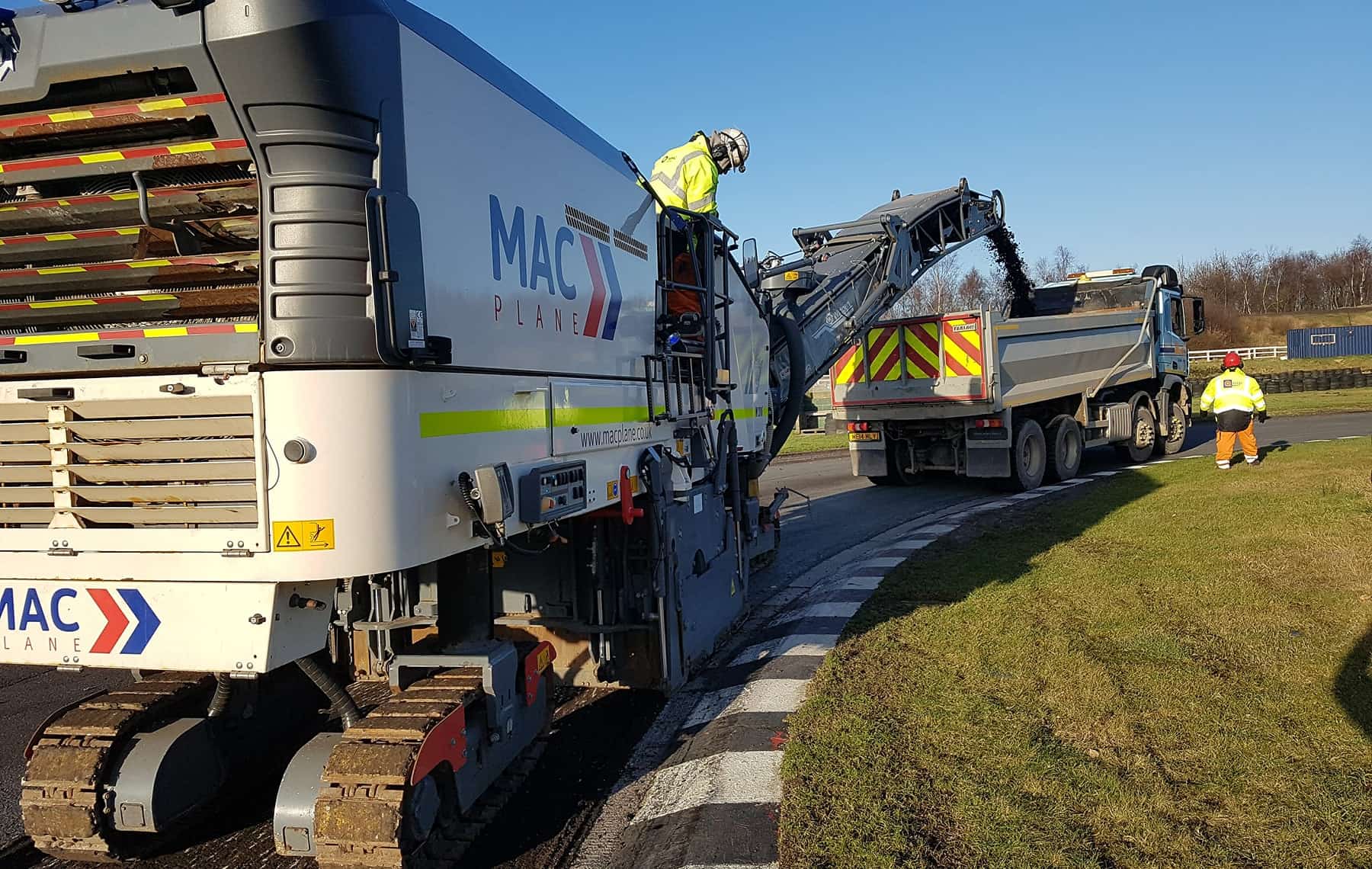
MAC Surfacing delivers car park resurfacing across the West Midlands and further afield with own crews, own plant and own planing, so one team owns the outcome from survey to markings. On car parks and estate roads across the region, the jobs that last are the ones where the decision was made on evidence. Yours can be one of them.