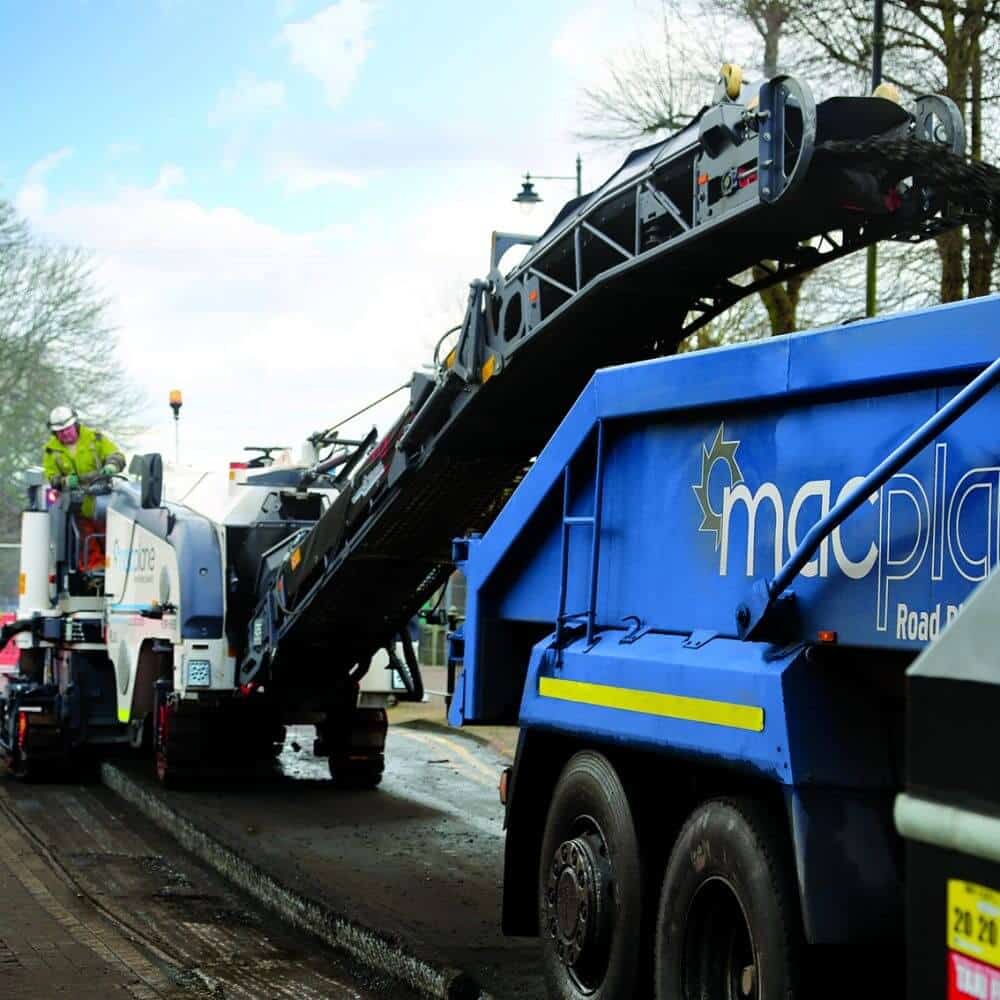

Road planing depth is set by matching the road planing machine to the required finished level, the surfacing design, the condition of the existing material and the constraints already on site. For a surfacing or civils contractor, getting that planed level right first time matters because every later layer depends on it. If the road planing is too shallow, too deep or uneven, the resurfacing team can lose time correcting levels, adjusting material quantities or working around avoidable delays.
In simple terms, the planing depth is not just how much material comes off. It is the level you leave behind for the next operation. That is why operated plant and experienced crews make such a difference. The right road planing machine, set up properly and run by people who understand surfacing tolerances, gives your programme a cleaner handover and fewer surprises once the planer has moved on.
Start with the required finished level
The first reference point is the level your surfacing work needs to finish at. That may be governed by tie-ins, kerbs, ironwork, channels, thresholds, drainage falls or an agreed resurfacing build-up. The planing depth should be worked back from those constraints, not guessed from the surface condition alone.
On a live programme, this is where clear information helps. If your team knows the required planing depth before the machine arrives, the operator can set up for the job rather than trying to interpret the design while production is already under way. Where there are changes in level across the works, those need to be understood before the cut starts.
Road planing is accurate work, but it still depends on the brief being clear. The planer can only deliver the level it is asked to cut to, so good setting out and communication between the contractor, supervisor and operated plant crew are essential.
Check what the existing surface is doing
The existing carriageway or hardstanding will often tell you why a single planing depth may not suit the whole area. There may be rutting, previous patching, failed material, high spots around ironwork or localised deformation. A set depth across the full width can be right in some places and wrong in others.
That does not mean the answer is to overcomplicate the job. It means the hire customer and the planing crew need a shared understanding of where the surface changes. A good operator will be alert to what the machine is cutting and how the material is behaving, but the plan still needs to come from the site requirements.
If the existing surface has areas that need different treatment, it is better to identify them before the planer is committed. Once the machine is working, every stop, check and rework item can slow the follow-on surfacing operation.
Match the machine and crew to the planing depth
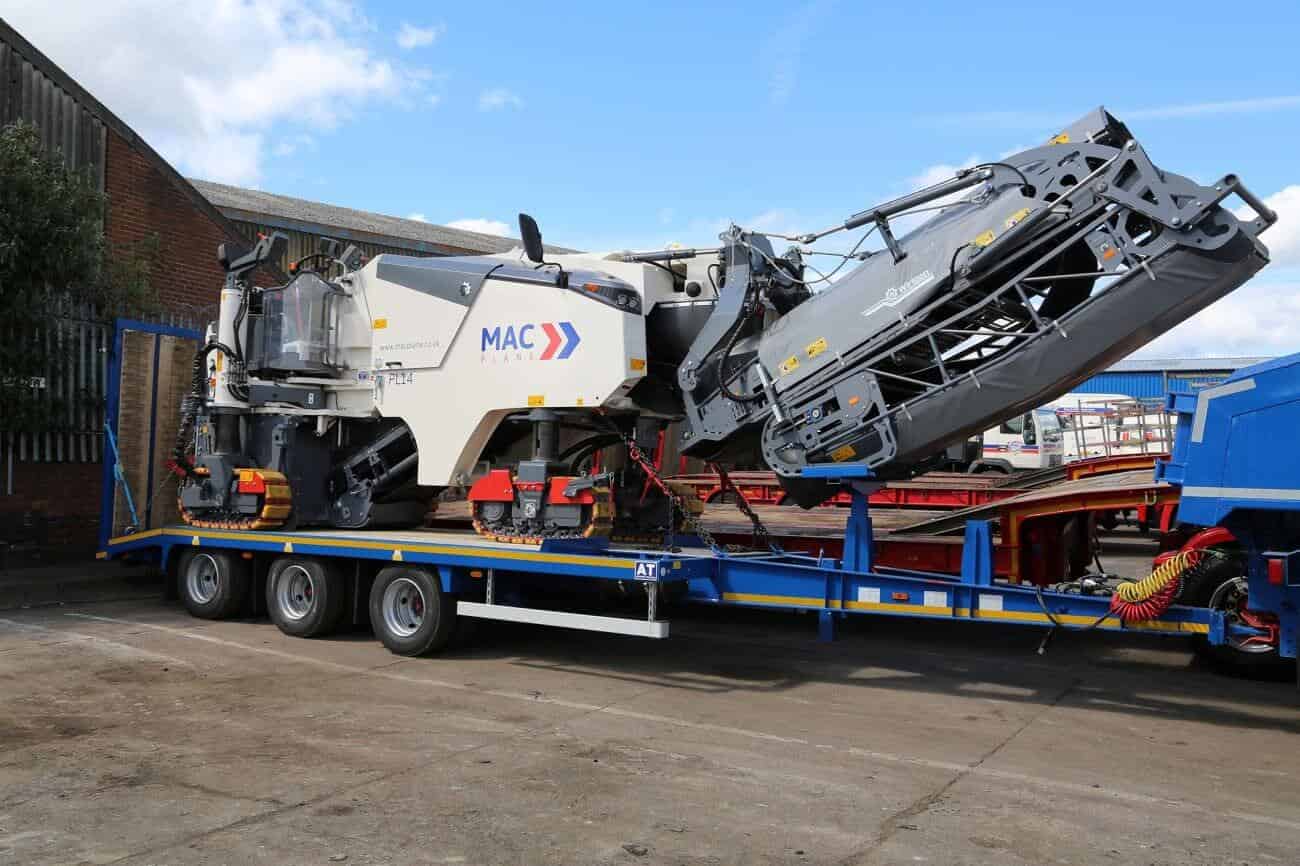
Different road planing tasks place different demands on the plant and the people operating it. A shallow regulating cut, a deeper removal, a confined tie-in and a longer production run all need slightly different thinking. The machine needs to suit the access, the workface, the depth of cut and the output expected by your programme.
The crew matters just as much. Operated plant hire is not only about having a planer on site. It is about having a competent operator and support around the machine so the cut is controlled, the levels are watched and the work keeps moving safely alongside your own team.
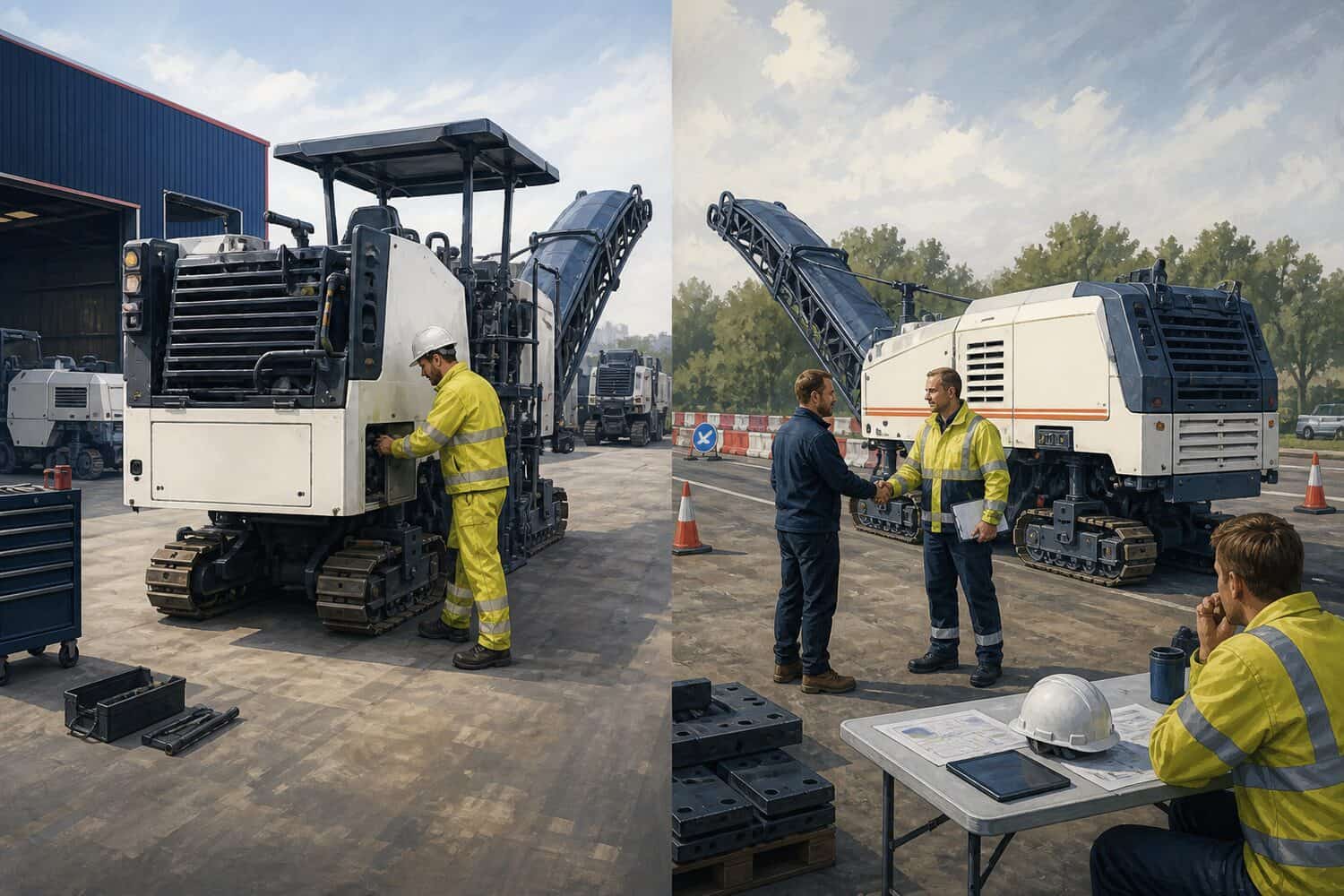
For contractors, that is the value of bringing in a supply partner rather than simply hiring equipment. You need the right plant, the right people, every time, because the next part of your programme depends on the quality of the handover.
Why the planed level affects time and cost
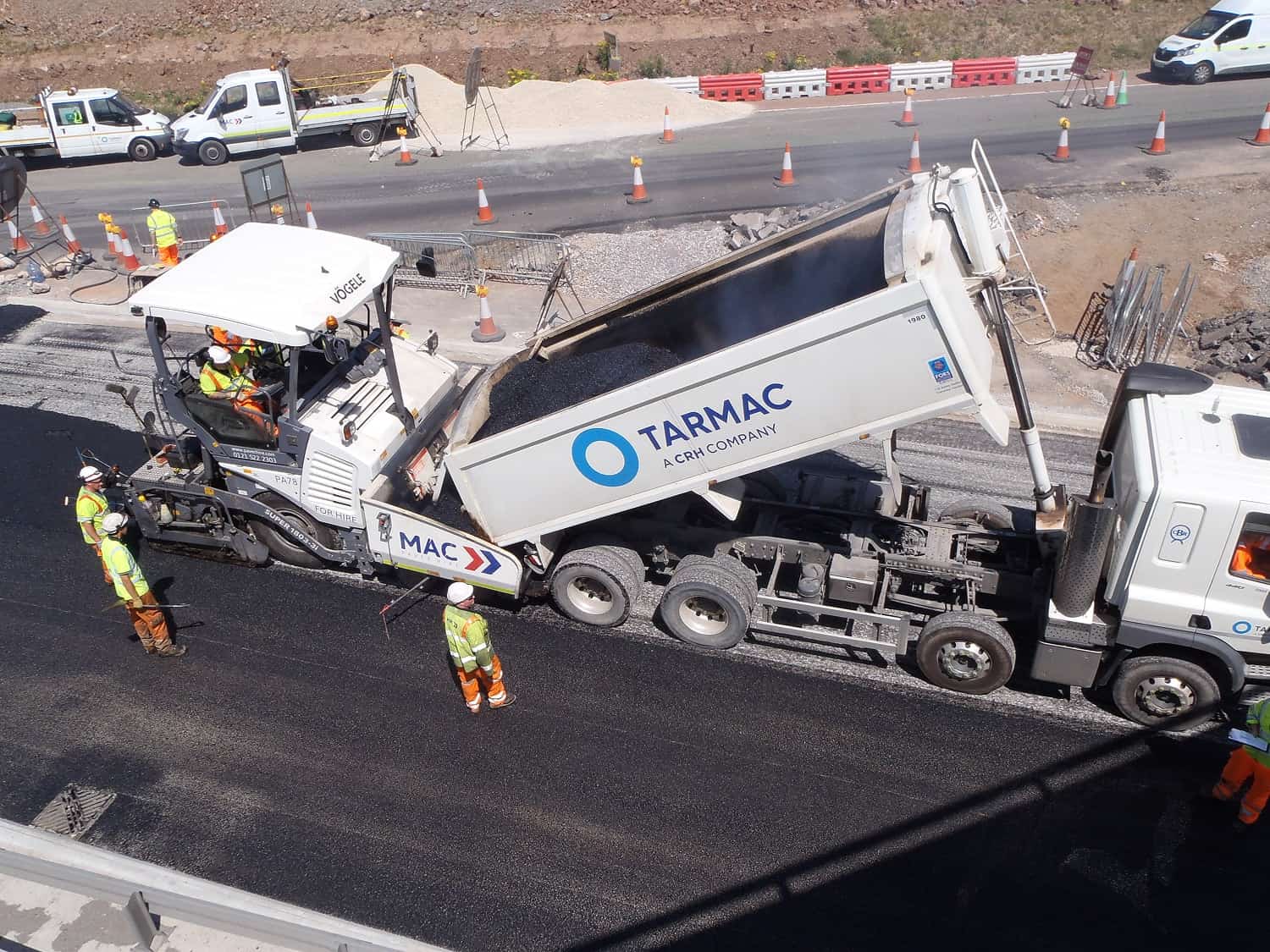
Once road planing is complete, the planed surface becomes the base for everything that follows. If it is left too high, the new surfacing may not have enough room within the required finished level. If it is left too low, your programme may need additional material to bring levels back. If the level varies more than expected, the laying team may have to slow down, regulate more heavily or spend extra time managing tie-ins.
Those issues do not always show themselves neatly on a programme line. They appear as waiting time, extra checks, awkward transitions, material adjustments, slower laying speeds or follow-on trades being held back. None of that helps a contractor who is trying to keep a shift, possession or site window under control.
Getting the planing depth right first time removes a lot of that friction. The surfacing gang can work to a more predictable surface. Material planning is less likely to change late. Supervisors have fewer corrections to manage. The job feels calmer because the level has been dealt with before the next layer arrives.
Good road planing is a programme control measure
It is easy to see road planing as an early removal activity, something that happens before the main surfacing work begins. On a tight programme, it is more useful to see it as a control point. The quality of the road planing sets the tone for the rest of the resurfacing work.
When the planed level is right, your team can move from removal to preparation and laying with fewer interruptions. When it is wrong, the programme often pays for it later, at the point where time is hardest to recover.
That is why contractors hiring in road planing support should treat planing depth as a practical planning decision, not a last minute machine setting. Agree the required level, make the site constraints clear, match the right operated plant to the task and keep communication open while the work is under way.
If you need operated road planing support for a surfacing or civils programme, MAC Plane can work with you as a supply partner, helping you get the level right before the next phase starts.
Frequently asked questions
How is road planing depth set for a road planing job?
Road planing depth is set by working back from the finished level your resurfacing design needs to achieve. That means checking tie-ins, kerbs, ironwork, channels, thresholds, drainage falls and the agreed build-up before the road planing machine starts. The clearer the brief is before the machine arrives, the easier it is for the operated plant crew to cut to the level your team needs.
Why does planing depth matter before resurfacing?
Planing depth matters because it leaves the level your next surfacing layer has to work from. If the cut is too shallow, too deep or uneven, your team can lose time correcting levels, changing material quantities or working around issues that could have been avoided. Good road planing gives you a cleaner handover once the planer has moved on.
Can one planing depth be used across the whole site?
One planing depth can work on some jobs, but it is not always right across the whole site. Existing carriageways and hardstandings can have rutting, previous patches, failed areas, high spots around ironwork or localised deformation. Your supervisor and the planing crew should understand those changes before the cut starts.
What information does a road planing machine operator need before starting?
A road planing machine operator needs the required planing depth, finished level constraints and any known changes in level before starting. They also need to understand site constraints such as ironwork, kerbs, drainage falls and tie-ins. With that information, the operated plant crew can set up properly rather than interpreting the design during production.
Why hire operated plant and crew for road planing?
Hiring operated plant and crew helps because road planing depends on the right machine, proper set-up and people who understand surfacing tolerances. An experienced crew can follow the brief, respond to changes in the existing surface and leave a level that supports the next operation. For hire customers and supply partners, it keeps the programme moving with fewer surprises.