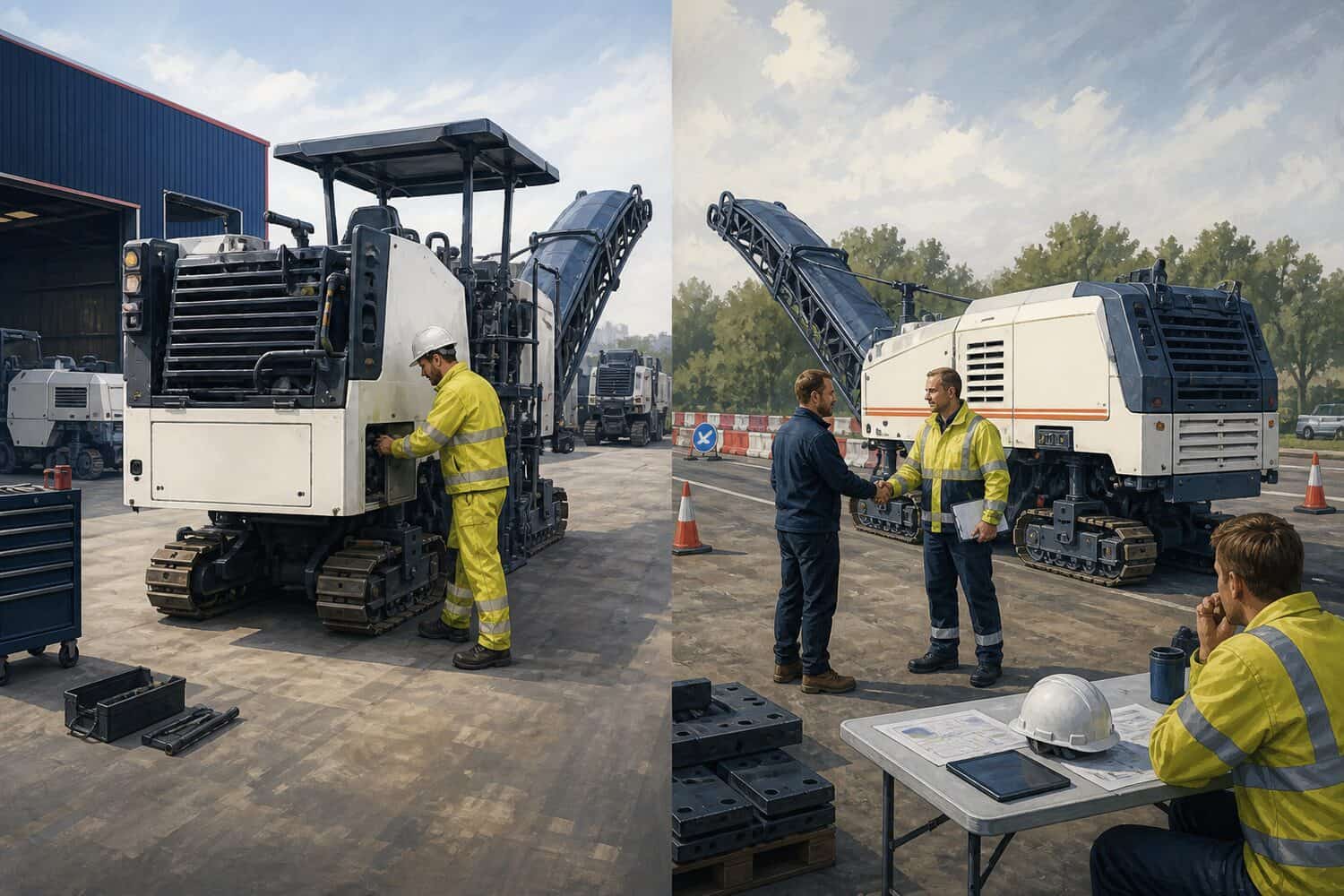

Operated plant hire usually makes more sense than self drive plant hire when the programme is tight, the work is specialist, or downtime would cost more than the hire saving. Self drive hire can suit straightforward work where you already have the right operator, supervision and backup in place. The question is not only what the machine costs for the day. It is what the whole arrangement costs you if the plant is underused, misused, delayed, stood down or waiting for labour.
For surfacing and civils contractors, the choice between operated or self drive is often made under pressure. You may have a gap in your own plant, a crew stretched across jobs, a shift to protect, or a client expecting progress on site. In that moment, the cheapest looking hire option is not always the lowest cost option once risk and downtime are counted properly.
What self drive hire really gives you
Self drive plant hire gives you access to a machine without an operator. That can work well when you already have competent labour available, the task is familiar and the job does not depend on a narrow working window. You keep control of the labour, sequencing and pace of the work.
The hidden cost is that you also carry more of the operational risk. If your own operator is tied up elsewhere, arrives late, lacks confidence on that item of plant, or cannot get the output you expected, the machine may be on hire without producing the value you planned for. If the work is part of a surfacing programme, that delay can knock into planing, laying, deliveries, traffic management, hand work and follow on trades.
Self drive hire can look simple on paper, but it still needs a capable person in the seat, someone supervising the work and enough site knowledge to keep the plant productive. If any of those pieces are missing, the saving can disappear quickly.
What operated plant hire changes
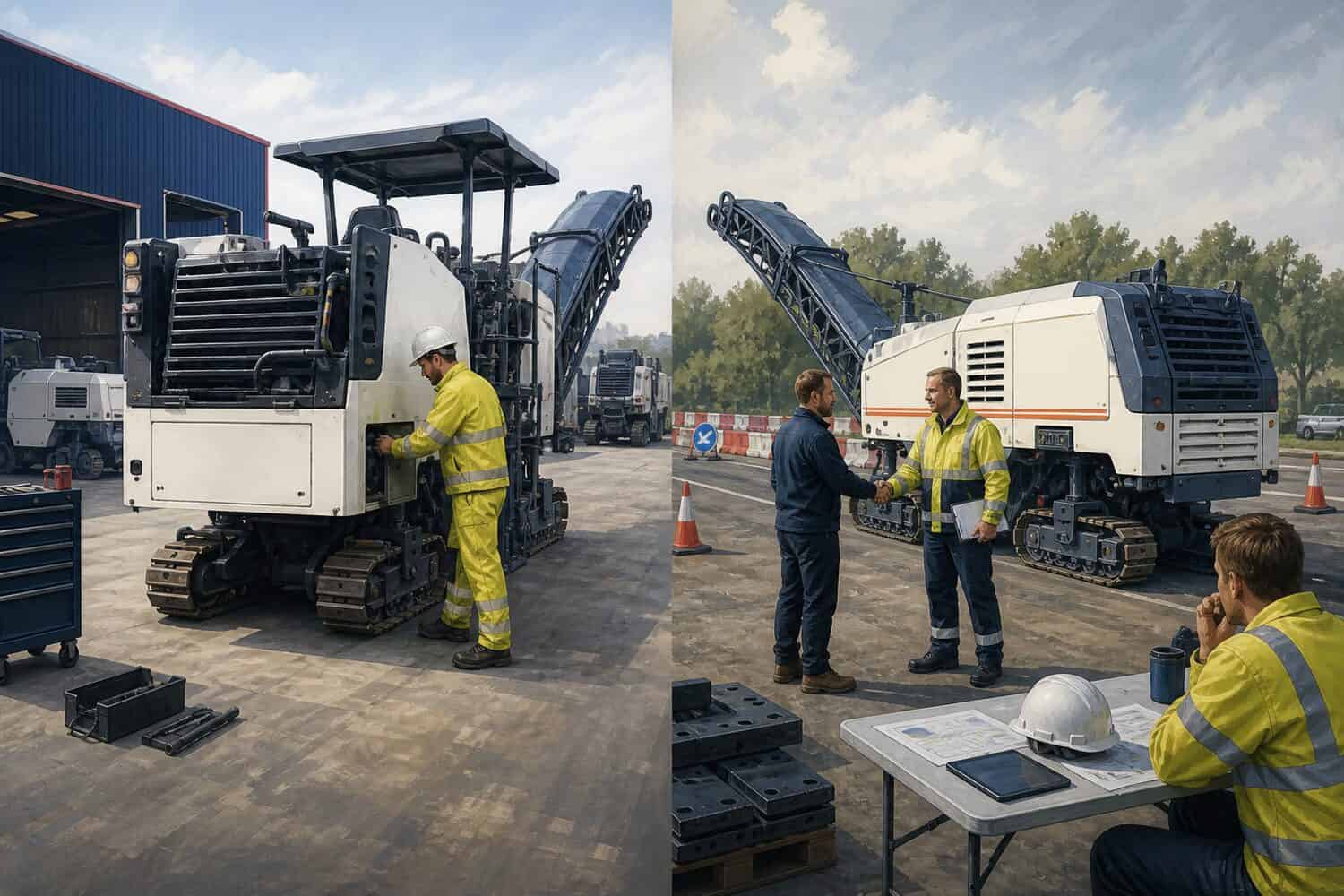
Operated plant hire brings the plant and the person who knows how to use it. For a contractor, that can remove a lot of friction. You are not just hiring iron, you are bringing in working capacity that can slot into your programme.
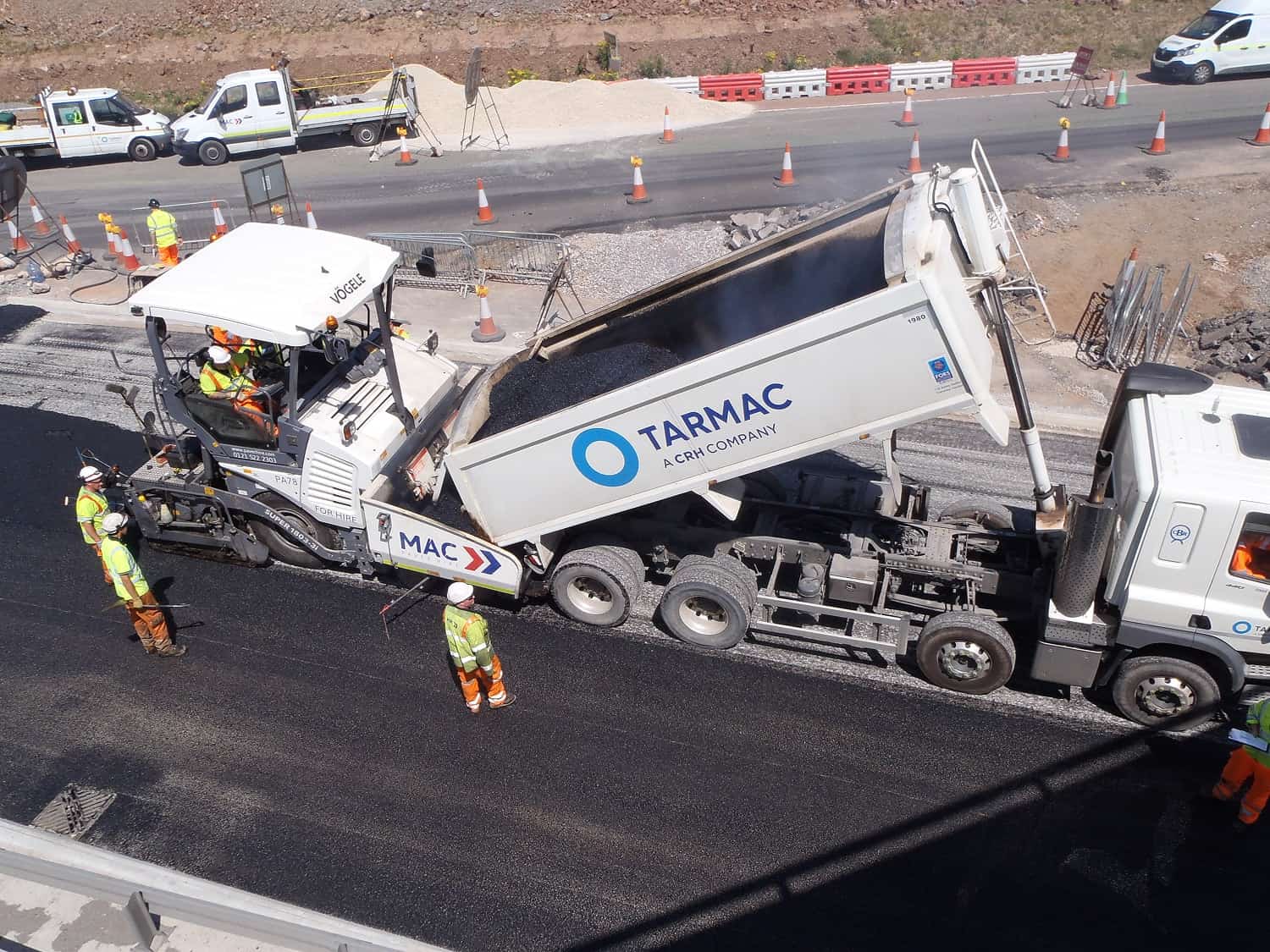
This matters most where the work is time sensitive, technically demanding, or linked to other crews. Road planing and surfacing work often depends on steady progress. If plant stands idle, crews wait. If preparation runs late, the next stage is squeezed. If an operator does not know the machine or the pace required, the whole shift can lose shape.
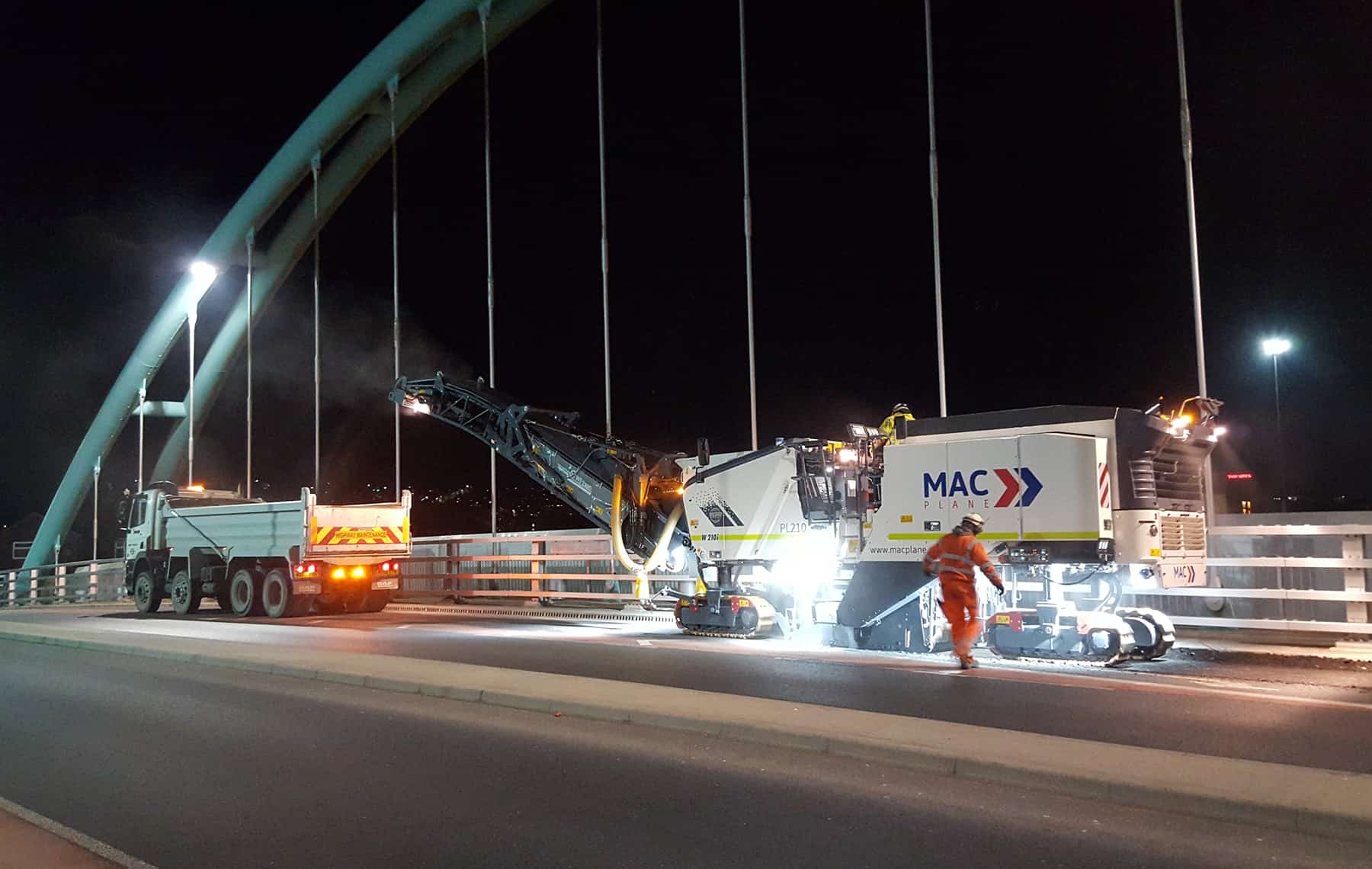
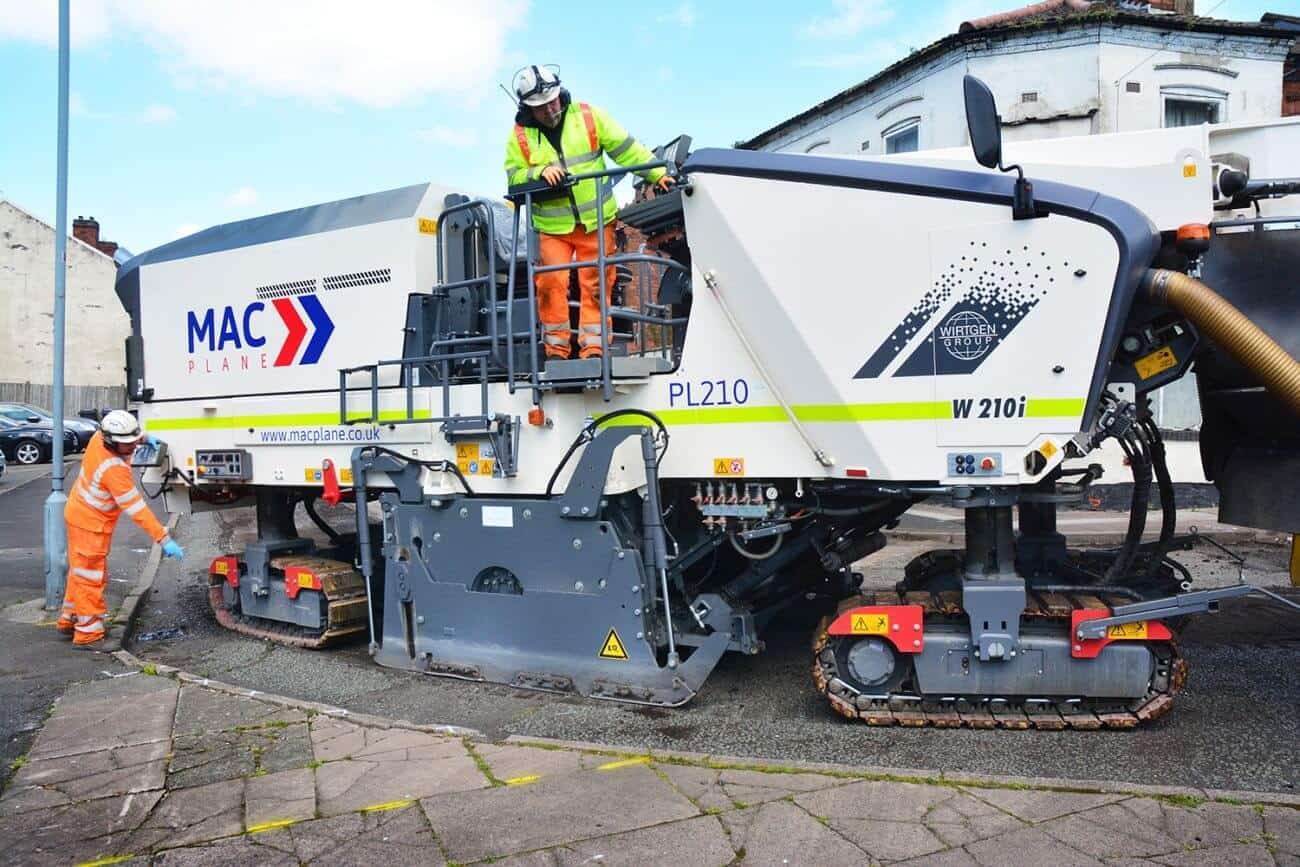
With MAC Paver Hire and MAC Plane, MAC supplies operated plant and labour hire to other surfacing and civils contractors. The purpose is to support your delivery, not compete with it. You remain the contractor managing the job, while MAC supplies the right plant and the right people to help keep the programme moving.
Where labour hire fits into the decision
Labour hire is often the missing part of the calculation. A machine may be available, but do you have the people to use it properly, support it safely and keep the output consistent? If your own crew is already committed, pulling someone across from another job can create a second problem somewhere else.
Operated plant and labour hire can help when you need practical site support without building a permanent resource for a short term need. It can also help when the programme has peaks, when shifts overlap, or when a job needs extra hands who understand surfacing and civils environments.
The value is not only in having more bodies on site. It is in having people who can work with the plant, understand the pace of the job and fit around the contractor’s supervision. For hire customers, that can make the difference between filling a gap and genuinely protecting progress.
The cost of downtime
Downtime is rarely just one idle machine. On a surfacing programme, one delay can spread. A paver waiting for prep, a planer waiting for access, labour waiting for plant, or deliveries arriving before the site is ready can all cost time, money and goodwill.
That is why operated plant hire can be the more sensible choice even when the headline hire rate is higher than self drive plant hire. You are paying for reduced uncertainty. You are reducing the chance that the plant arrives but the output does not follow.
There is also the management time to consider. If you hire self drive and something is not working, your team has to solve it. You may need to rearrange labour, chase support, change the sequence, or explain lost time to your own client. Operated hire does not remove every site risk, but it can take a large part of the plant and operator risk out of your hands.
When self drive still makes sense
Self drive is not the wrong choice by default. It can be the right option when your own operator is available, the work is planned with enough room and the machine is being used for a task your team handles often. If you know exactly what you need and you have the people to get full value from it, self drive can be efficient.
The problem comes when self drive is chosen only because it looks cheaper at the point of booking. If the machine then sits waiting, works slowly, or causes pressure elsewhere in the programme, the real cost is higher than the hire line suggests.
A practical way to choose
Before deciding on operated or self drive, ask what happens if the plant does not perform as planned. If the answer is a minor inconvenience, self drive may be fine. If the answer is a delayed shift, waiting crews, missed access, programme pressure or a difficult conversation with your own client, operated plant hire is usually the safer route.
You should also look at your labour position honestly. If your own people are stretched, operated plant and labour hire may protect more than one job at once. It can help you keep your main programme moving without stripping resource from another site.
For surfacing and civils contractors, the right decision is the one that protects delivery. Sometimes that is self drive. Often, when the work is specialist or the window is tight, it is operated plant hire with people who know the job. The right plant, the right people, every time.
If you are weighing up plant, operator or labour support for a coming programme, a quick conversation can help you choose the option that carries the least risk on site.
Frequently asked questions
When should I choose operated plant hire instead of self drive plant hire?
You should choose operated plant hire when the programme is tight, the work needs specialist handling, or downtime would cost more than any saving on self drive hire. It gives you both the machine and a capable operator, so the plant can slot into your job with less friction. For surfacing and civils work, that can help protect shifts, sequencing and follow on work.
Is self drive plant hire cheaper than operated plant hire?
Self drive plant hire can look cheaper on the day rate, but it is not always the lowest cost once labour, supervision and downtime are counted. If you already have the right operator, backup and site control in place, it can work well. If the machine is waiting, underused or used without enough confidence, the apparent saving can disappear quickly.
Can MAC supply operated plant and labour hire to support our own surfacing crew?
Yes, MAC can supply operated plant and labour hire to support your own surfacing or civils programme. The aim is to add working capacity where you have a gap in plant, people or availability. You stay in control of the job, while the right plant and the right people help keep progress moving.
How do I decide between operated or self drive plant hire for a live job?
The best choice between operated or self drive plant hire depends on the risk around labour, timing, supervision and output. If you have a competent operator ready, the work is straightforward and the window is flexible, self drive may be suitable. If the shift is tight, the task is specialist or delays would affect other crews, operated hire is often the safer option.
Why does operated plant hire matter on road planing and surfacing work?
Operated plant hire matters on road planing and surfacing work because steady progress affects the whole sequence of the job. If plant stands idle or preparation runs late, crews, deliveries, traffic management and follow on trades can all be affected. Having the right operator with the right machine helps reduce that risk.