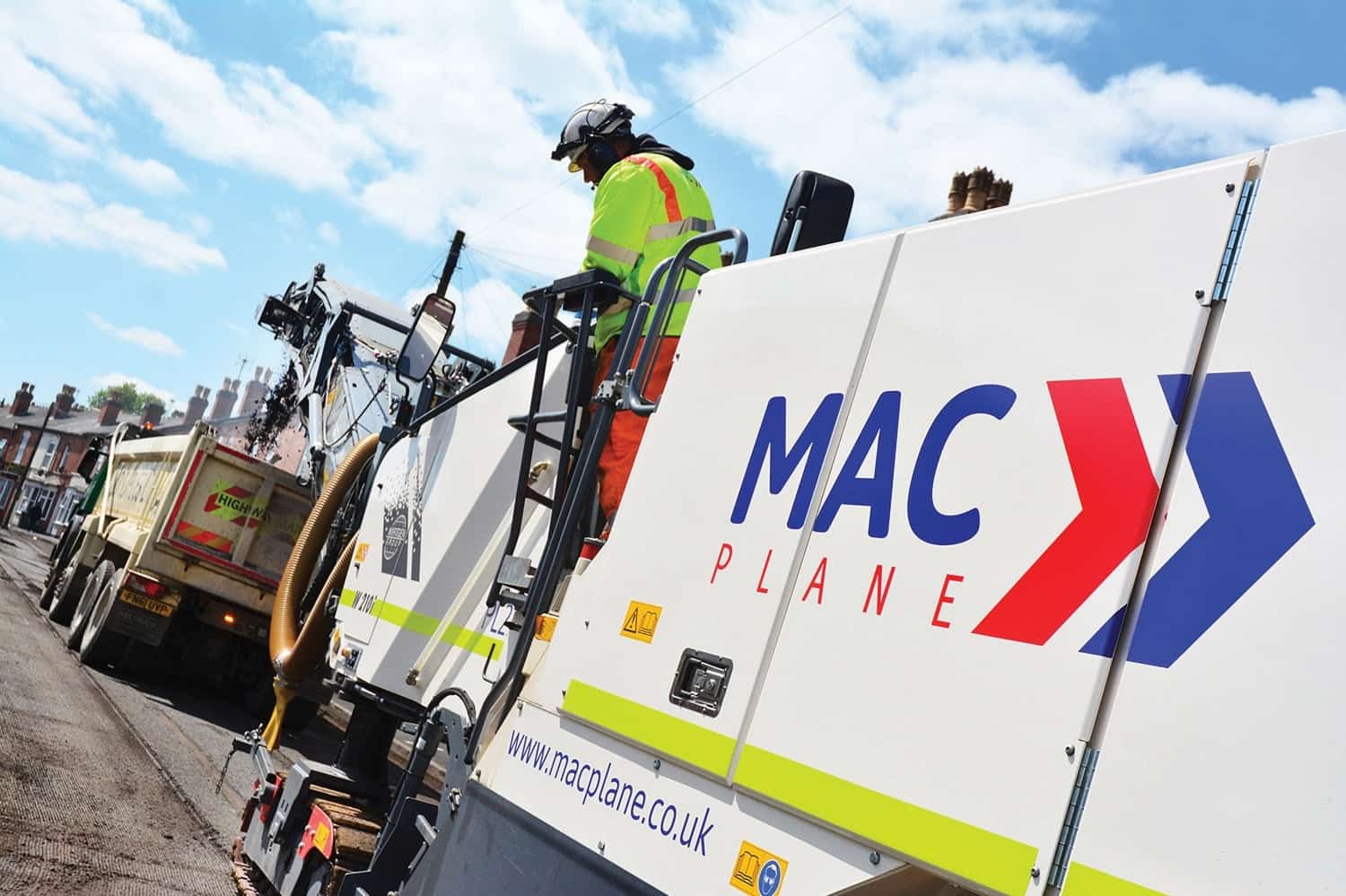

When you appoint an operated road planing subcontractor, you are not simply booking a machine. You are bringing a crew into a live surfacing programme. The plant has to suit the job, the operator has to understand the finish and the shift has to leave your team ready for the next stage.
For surfacing and civils contractors, a poor start to the planing work can affect everything that follows. The wrong machine, unclear access or a rough handover can leave gangs waiting and create work that should never have been needed. Good road planer hire with an operator should reduce that pressure.
Agree the scope before the shift
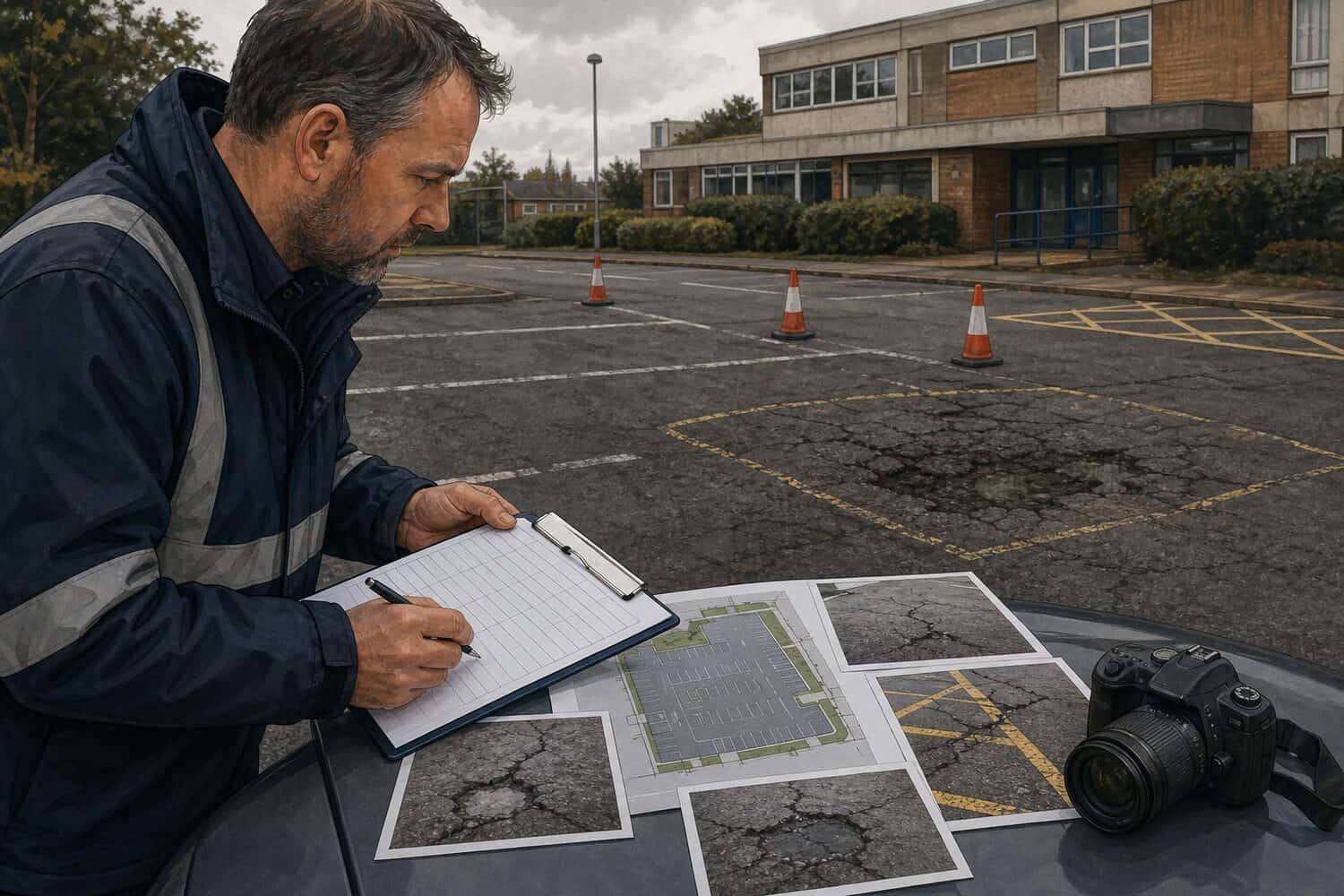
A useful planing brief covers the area, expected depth, access, working width, start and finish points and what will happen to the removed material. It should also identify live traffic, other trades and any restricted working periods.
Your supply partner should ask these questions before allocating plant and crew. A quick availability check may secure a machine, but it does not protect the programme. The people attending the job need the same understanding as the person who took the enquiry.
Match the planer to the work
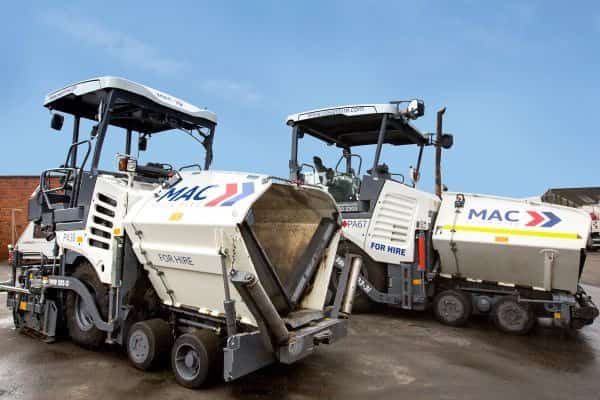
A planer should be chosen for the surface, depth, access and surrounding activity. A confined car park, estate road, industrial yard and highway scheme can each need a different approach. The question is not only whether the machine can remove asphalt. It is whether it can work cleanly and efficiently within the rest of the site.
Ask how the planer will enter and move through the work area, where wagons can stand and how the crew will deal with edges, ironwork and tie-ins. If the machine is poorly matched, the rest of the team usually absorbs the delay.
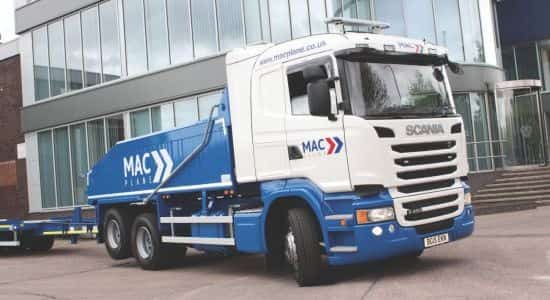
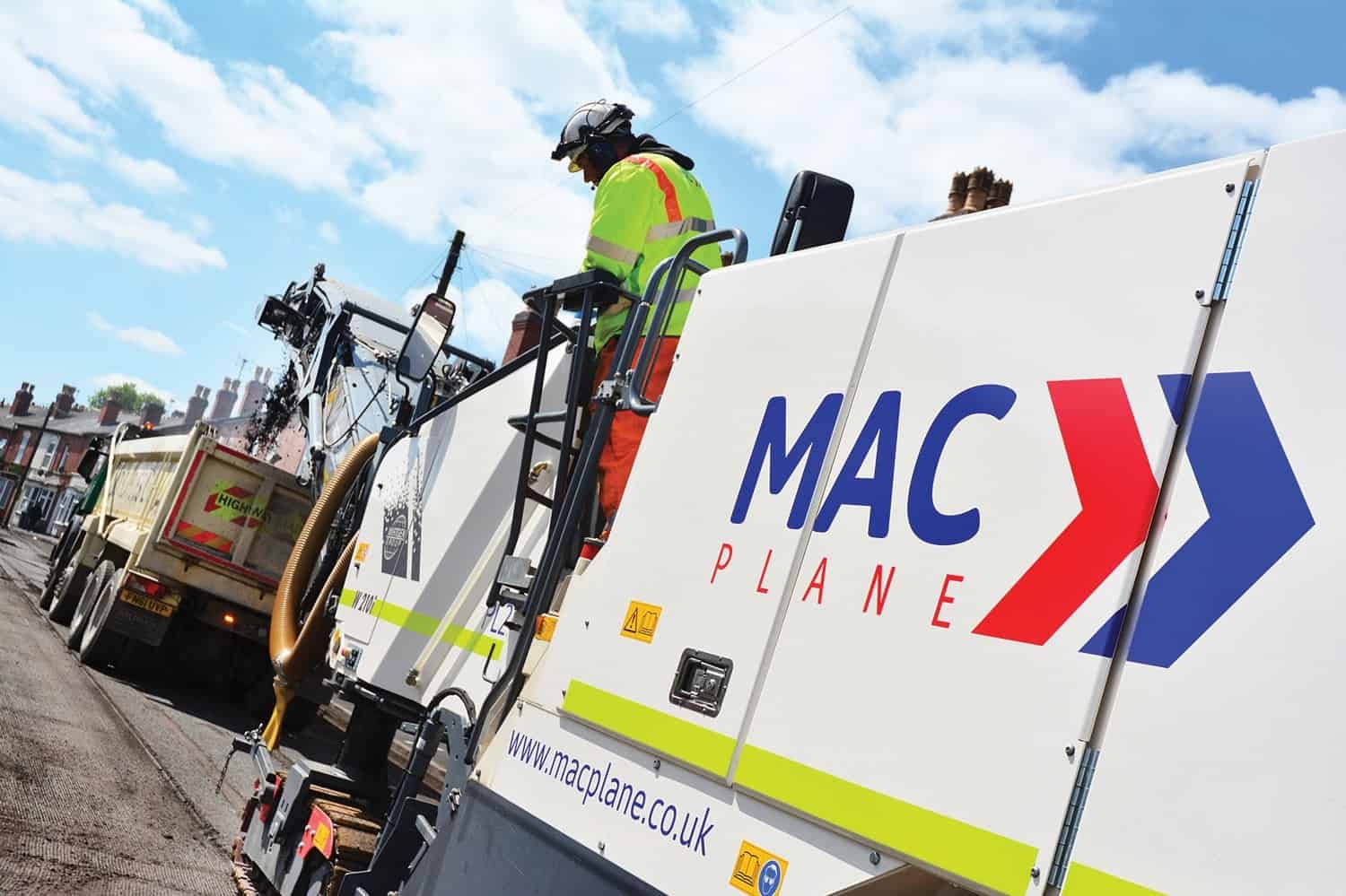
MAC Plane supplies operated planing support using MAC's own plant and crews. Related plant hire capability can help when several parts of the job need coordinating through one supply route.
Judge the crew as carefully as the machine
An experienced operator reads levels, joints, edges and changes in the surface. They also understand that their pass prepares the job for the surfacing gang. That matters more than simply moving quickly across the area.
You should expect clear communication with your supervisor and practical issues to be raised early. If access changes, the surface behaves differently than expected or the depth needs checking, the crew should say so before a small problem becomes a poor finish.
Where the shift needs more people around the plant, arrange labour hire with the same attention to site awareness, competence and fit with your programme.
Protect the programme, not just the booking
The value of operated planing support is confidence that the work will happen in the agreed sequence and leave the site ready to move forward. That is particularly important on live sites where customer access, deliveries, residents or other trades still need to move.
No subcontractor can control every change on a job. They can confirm the working assumptions, be honest about availability and keep communication open. If a site has tight access or a sequence that depends on other crews, those details should be understood before the machine travels.
Define what a usable handover looks like
Planing is not complete just because material has been removed. Agree how tie-ins, edges, ironwork, transitions and surface cleanliness will be checked. The supervisor should be able to see what has been completed, identify any issue quickly and move into the next activity with confidence.
The arrangement for removed material also needs to be clear before the shift. If it forms part of the wider job, information about road planings can help the team discuss handling and onward use without leaving it until the machine is already working.
Keep one clear line from enquiry to site
A common source of pressure is a gap between the person taking the enquiry, the person allocating the plant and the crew arriving on site. You should know what is being supplied, when it will attend and who the operational contact is.
MAC's model is self-delivered, with its own crews, own plant and an in-house workshop behind the fleet. For a contractor hiring planing support, that creates a clearer line between the original conversation and the standard expected on site. MAC supports your delivery as a supply partner and does not step into your end-client relationship.
Questions to ask before appointing a planing subcontractor
Before confirming a shift, ask:
- What planer is proposed and why does it fit this site?
- Who is attending and who will be the operational contact?
- Have access, depth, edges, ironwork and working sequence been discussed?
- How will the removed material and wagon movements be handled?
- What condition should the surface be in at handover?
These are practical checks, not procurement theatre. They show whether the subcontractor is thinking about the whole shift or only the machine booking.
The right support makes the next stage easier
A good planing subcontractor should make the programme easier to deliver. The plant fits, the operator understands the surface, communication is straightforward and the handover helps the surfacing gang follow on without avoidable remedial work.
MAC Plane supports surfacing and civils contractors with operated road planing using its own crews and plant. If you have upcoming work, talk the practical details through with the MAC team so the plant, access and shift requirements can be checked before a booking is confirmed.
Frequently asked questions
What should an operated road planing subcontractor provide?
You should expect suitable plant, a competent crew and clear communication. The subcontractor should understand the depth, access, sequence, removed-material arrangement and handover standard before the shift begins.
What information is needed before booking a road planer?
Share the area, expected depth, access, working width, programme timings and what will happen to the removed material. These details help the supplier select suitable plant and brief the crew properly.
Why does the planed finish matter?
The finish affects the next stage of the surfacing work. Well-managed edges, tie-ins, ironwork and surface cleanliness help the following gang continue without unnecessary delay or remedial work.
Will MAC compete for my end client's surfacing work?
No. MAC Plane supports surfacing and civils contractors as an operated plant and crew supply partner. Your customer relationship stays with you while the MAC crew supports the planing stage of your delivery.