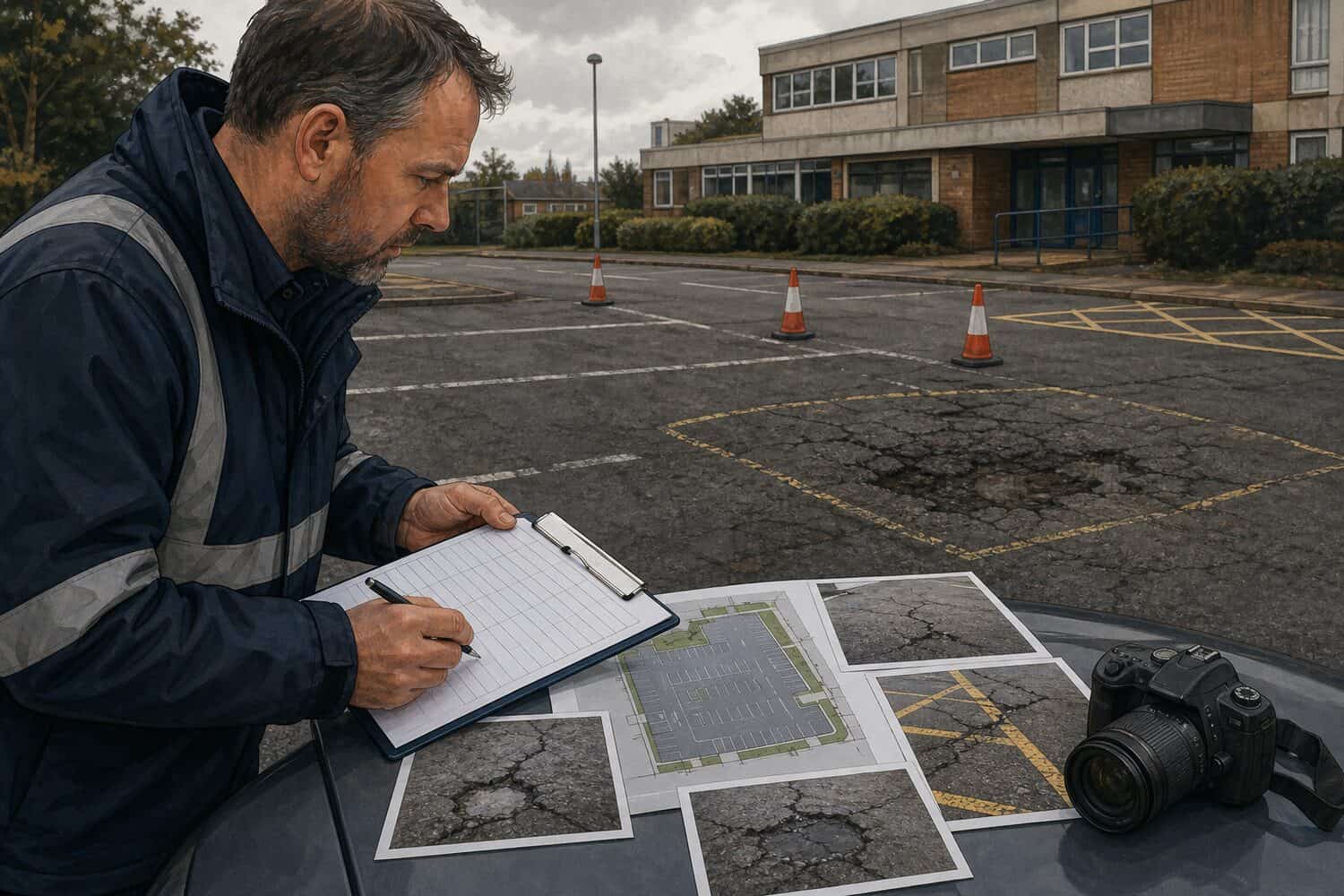

Council and public-body resurfacing grants rarely fail on the surface itself. They fail on evidence. If the application cannot show condition, cost, programme and public benefit clearly, the money stays with the schemes that can.
This guide is for schools, parish and town councils, community venues, sports clubs and facilities teams preparing a car park resurfacing grant case. No prices here (always POA after survey). Just the paperwork and proof that usually decide whether a bid is taken seriously.
What funders are really trying to buy
Most local grant schemes are not buying "new tarmac". They are buying a safer, more usable place for the public, with a credible delivery plan and a clear reason the work cannot wait. The strongest applications show:
- The current surface is creating risk, exclusion or ongoing repair cost
- The proposed work solves that problem rather than skimming over it
- The programme protects users during the works
- The applicant can manage the money, the contractor and the site
If those points are vague, the bid looks like a wish list. If they are evidenced, it looks like a project ready to deliver.
The evidence pack councils usually need
Exact forms differ by funder, but the same core pack keeps appearing:
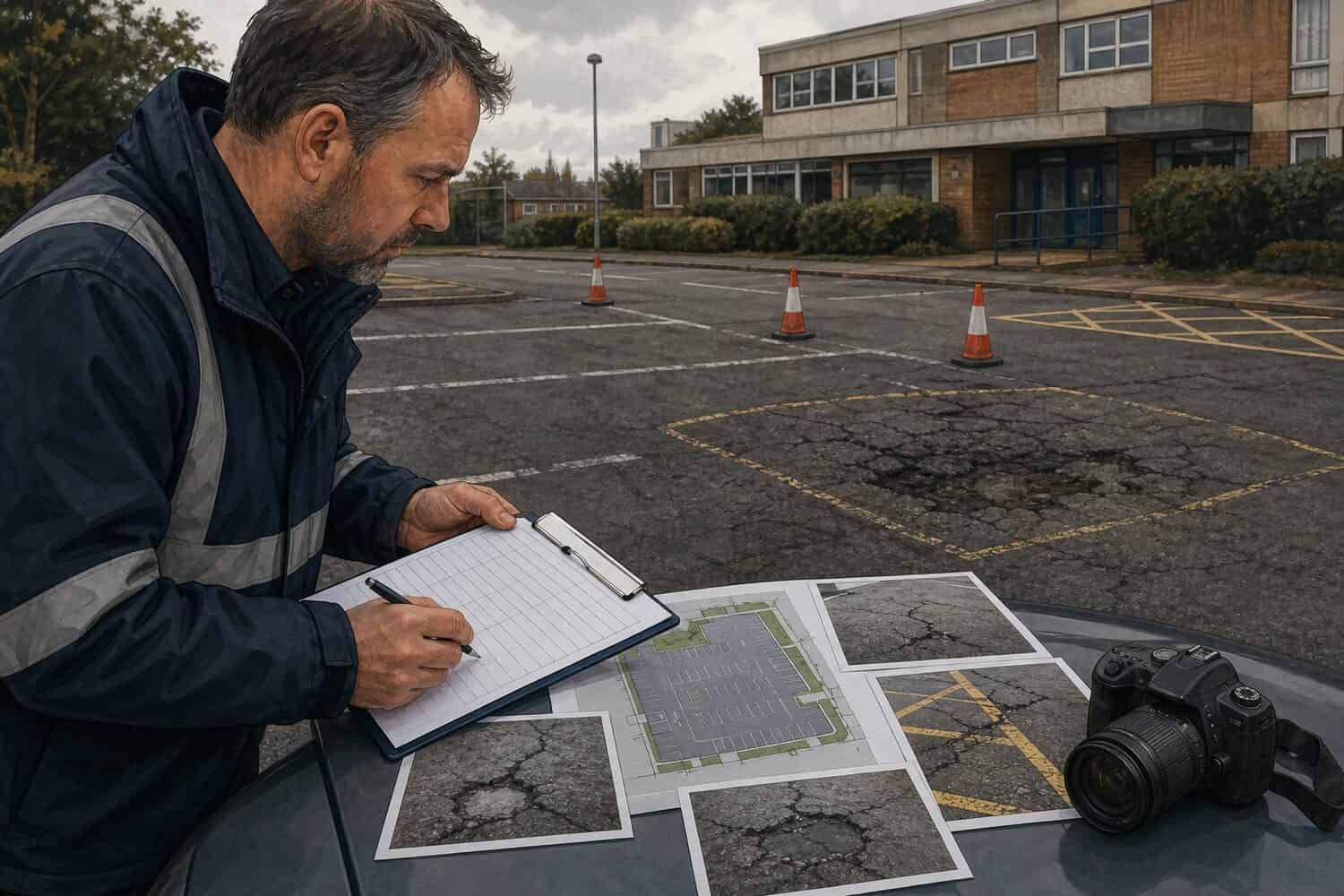
- Condition evidence. Dated photos, a site walk note, and where useful a short survey covering defects, drainage and soft spots.
- Need statement. Who uses the car park, what fails today, and what that means for access, safety or community use.
- Scope of works. What will be planed, rebuilt, resurfaced, drained and remarked, and what will be left alone.
- Programme. When the work can happen, how long it will take, and how the site stays usable.
- Quotes or estimates. Comparable contractor figures, or a clear basis for the budget once a survey has been done.
- Governance. Who owns the land, who will sign the contract, and who will manage the project day to day.
Weak packs skip one of those and hope the photographs will carry the rest. They rarely do.
Make the safety and access case concrete
Funders respond to specific consequences, not general tiredness. Useful evidence sounds like this:
- Trip edges and potholes on the pedestrian route from parking to the entrance
- Ponding that freezes and blocks accessible bays or school drop-off routes
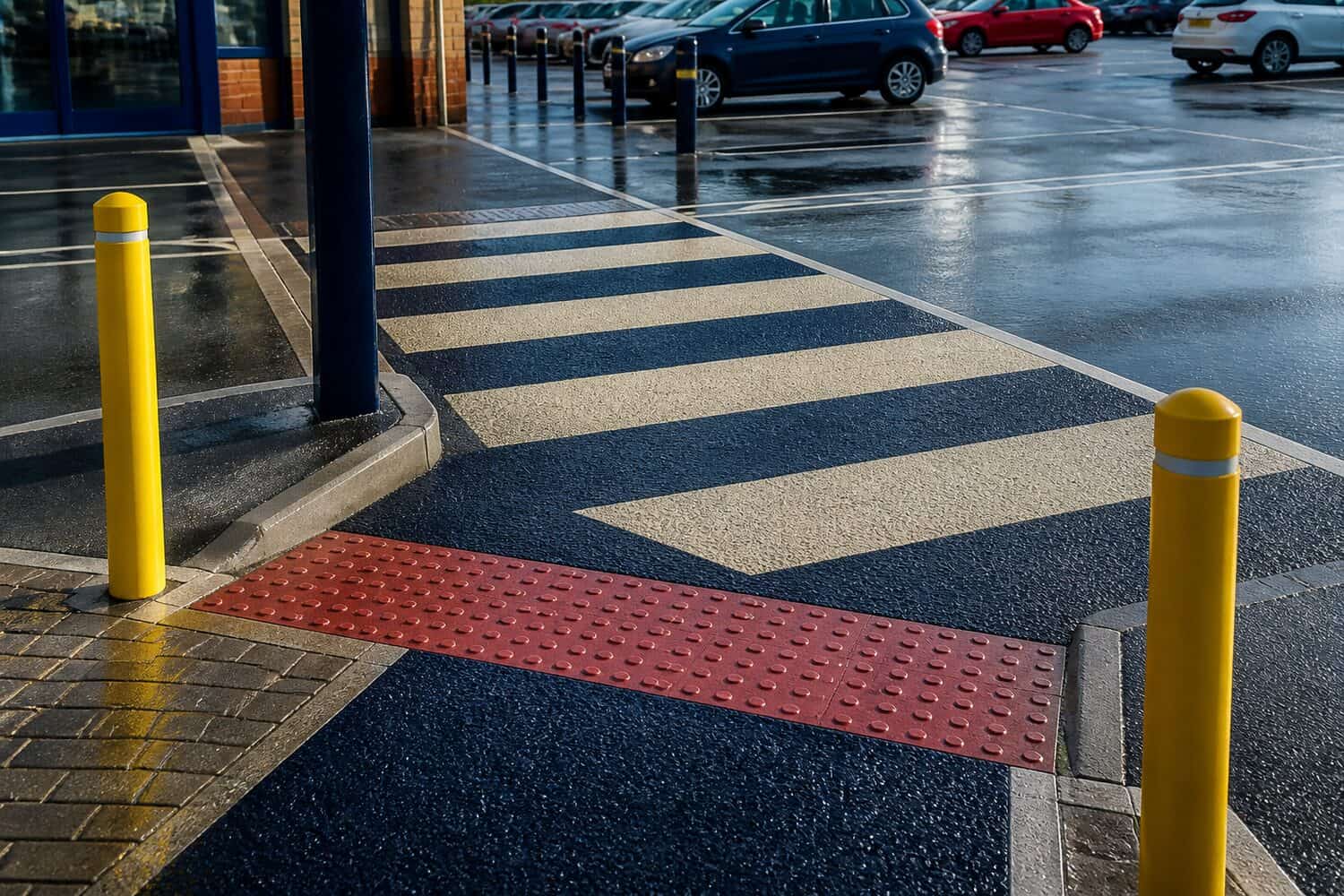
- Failed markings that remove control of one-way flow, crossings or disabled spaces
- Repeat emergency patching that keeps closing the same zones
If the site already has incident logs, complaints or accessibility notes, include them. A resurface then becomes a risk-reduction project, not a cosmetic one. Our guide to the real benefits of resurfacing covers why that distinction matters.
Scope the work like a delivery project, not a wish
Grant panels want to know what the money will buy. A good scope separates:
- Essential safety and drainage repairs
- Full resurfacing of failed zones
- Optional improvements such as layout changes, extra accessible bays or better lighting interfaces
That split helps a funder approve a core package even if the budget is tight. It also stops the application promising a perfect finish when the ground conditions still need opening up. If you are still deciding whether patching or resurfacing is the right call, use the repair or resurface guide before you lock the bid language.
Programme around the people who use the site
Schools, clubs and community venues lose bids when the programme looks disruptive by default. Show the opposite:
- Holiday, weekend or off-peak windows
- Phasing by bay or zone so access can continue
- Temporary routes for pedestrians, deliveries and blue-badge users
- A clear reopening date the site can communicate
Done without disruption is a planning claim. In a grant pack it needs a method, not a slogan.
Budget honesty beats optimistic totals
Funders distrust round numbers with no basis. A credible budget usually includes:
- Survey and preparation assumptions
- Planing, base repairs and resurfacing as separate lines where relevant
- Drainage and ironwork allowances if those are known risks
- Line marking and making-good
- Contingency for hidden base failure once the surface is opened
Do not invent figures. If the site still needs a survey, say so and present the estimate as subject to inspection. POA after survey is still more honest than a tidy total that collapses on site.
Governance and permissions that stop bids late
Many applications stall after the technical story looks fine. Check early:
- Land ownership and landlord consent
- Whether planning, conservation or lease conditions affect the works
- Who can enter the contract and pay invoices
- Insurance, safeguarding and site access rules for the contractor
A clean resurfacing proposal can still miss a funding window if those approvals start after the form is submitted.
Frequently asked questions
What paperwork does a council need for a resurfacing grant?
Expect condition photos or a survey, a clear need statement, a scoped works description, programme and access plan, budget basis, ownership or consent evidence, and a named project lead. Exact templates vary by funder.
Do we need a full structural survey before applying?
Not always, but you do need enough evidence to show the surface has failed for a real reason and that the proposed works match that failure. A short professional survey strengthens most bids.
Can we phase the works to keep the site open?
Usually yes, and grant packs are stronger when they show how. Phasing by zone, holiday windows and temporary pedestrian routes are all legitimate methods.
Should the application include drainage?
If ponding or failed falls are part of the problem, yes. Resurfacing over a drainage fault is one of the fastest ways to waste the grant.
When is patching a better ask than resurfacing?
When the damage is local, the base is sound and drainage still works. If the same zones keep failing, the grant case for resurfacing is usually stronger.
Next step
Build the evidence pack before you chase the form. Photos, scope, programme, budget basis and ownership consent do more work than polished wording.
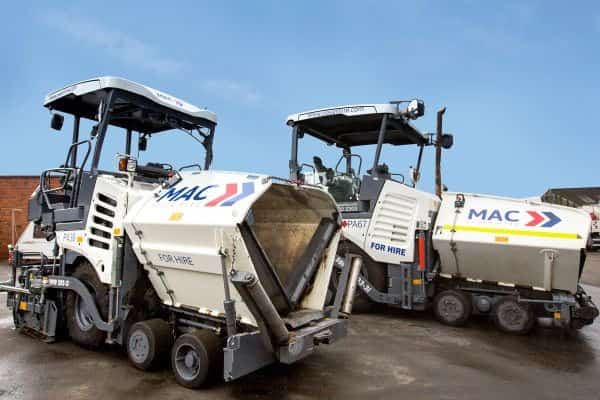
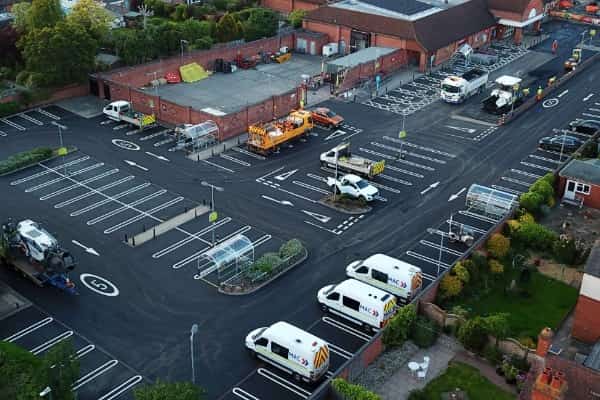
MAC Surfacing delivers car park resurfacing for schools, community sites and commercial estates across the West Midlands and further afield, with own crews, own plant and own planing so one team can help turn a grant case into a deliverable programme. On public and community sites around the region, the bids that win are the ones that can prove the need and the plan. Yours can be one of them.