
Road planings keep coming up for the same reason: someone has a yard, driveway, farm track or temporary car park to harden, and they want to know whether recycled asphalt planings are good enough for the job. Used in the right place, they are a practical, hardwearing option. Used in the wrong place, they create disappointment, soft spots and a surface that never quite settles.
This guide is for site owners, facilities managers and contractors weighing planings against scalpings, stone or a full resurface. No prices here (always POA after a proper conversation about volume, access and timing). Just a clear view of what planings are, where they work, where they do not, and how to buy them without guessing.
What recycled road planings actually are
Road planings are the planed asphalt recovered when a road planer removes a worn surface. They are not virgin stone and they are not finished tarmac. They are a graded, hardwearing recycled aggregate that still carries bitumen from the old road, which is why they bind and shed water differently from clean stone.
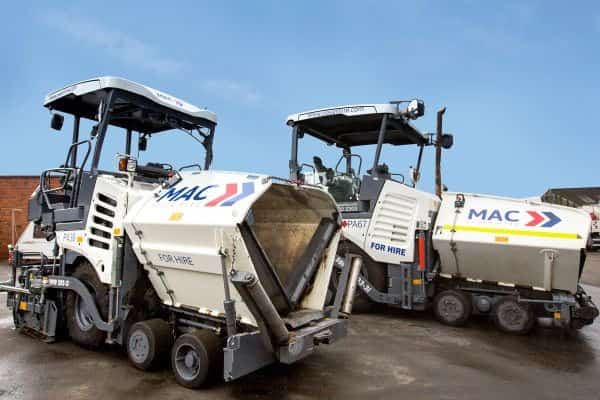
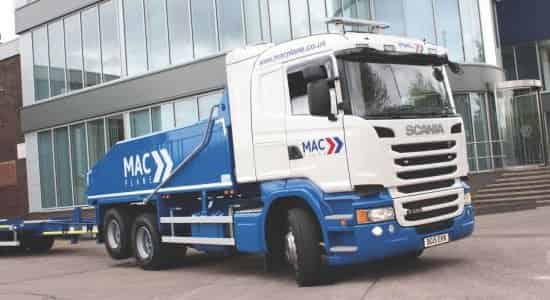
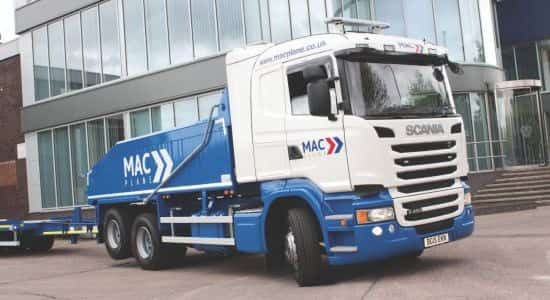
Because MAC runs its own planers and tippers, the material comes from live planing programmes rather than a vague stock story. That matters for suitability and timing: planings become available as work happens, so the conversation has to be about the job in front of you, not a catalogue promise.
Where planings earn their keep
Planings are usually at their best as a working surface or sub-base, not as a polished finished look. Typical good fits include:
- Farm tracks, access roads and haul routes that need a firm running surface
- Compound yards, plant areas and temporary hardstandings
- Car parks and overflow areas where a practical surface matters more than a show finish
- Sub-base layers under a later resurfacing or paving phase
- Temporary surfaces that need to go down quickly and still take traffic
In those settings the attraction is simple. You put recovered asphalt back to work, you avoid sending useful material to landfill, and you get a surface that can stand weather and traffic when it is placed and compacted properly.
Where planings are the wrong answer
Planings fail expectations when people treat them like finished asphalt. They are the wrong first choice when:
- You need a clean, marked, customer-facing finish that looks like a new car park
- The ground is soft, poorly drained or still moving, and nothing has been done to correct that
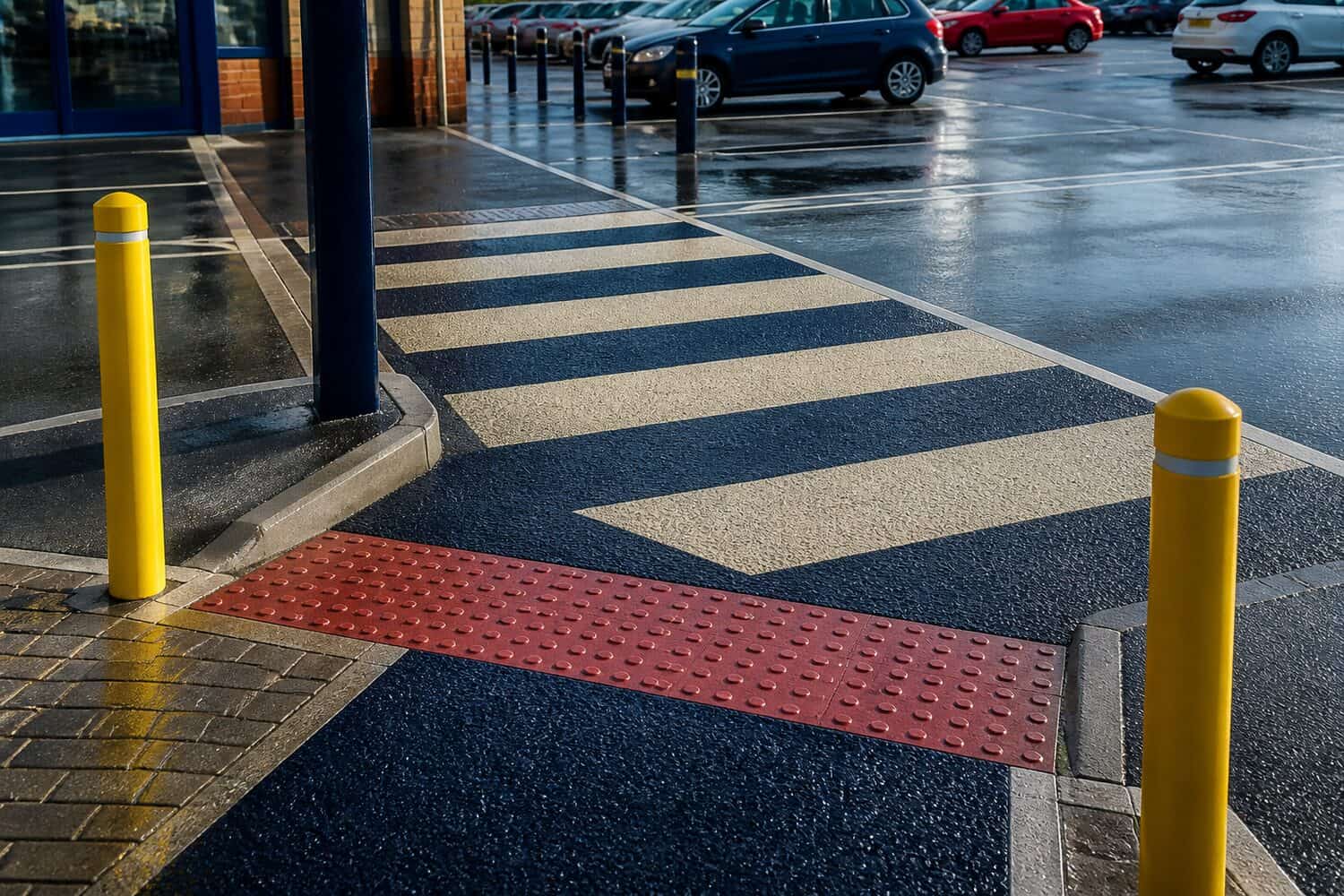
- Pedestrian areas need a tight, even surface with controlled falls and markings
- The site will soon be dug up again for utilities, buildings or major layout changes
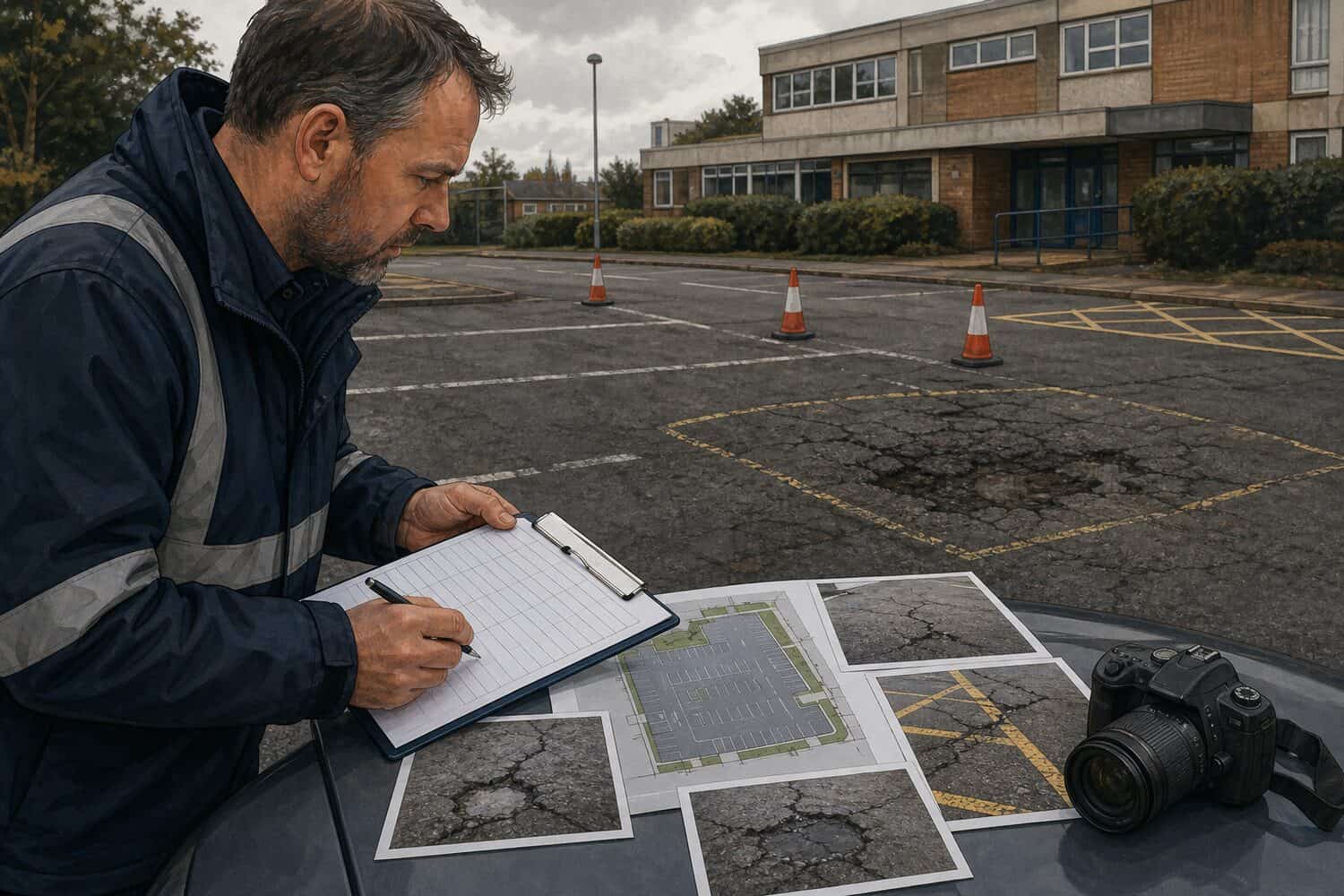
If the real problem is a failed base, ponding or a surface that already carries liability, planings will not magic that away. In those cases a proper survey for car park resurfacing or a planned repair is usually the straighter conversation.
Driveways, yards and car parks: the honest split
Driveways and private yards are where the question gets most emotional. Planings can work as a budget hardstanding or temporary surface, especially where appearance is secondary and the ground can take them. They are less convincing when the owner wants a neat residential finish, sharp edges and a surface that looks permanent from day one.
Car parks sit in the middle. An overflow park, staff area or compound can often run well on planings if drainage and depth are right. A public-facing retail or school frontage usually needs more than that. The useful test is not "are planings cheap?" It is "what does this surface have to do every day, and what will look unfinished in six months?"
What decides whether they perform
Good planings jobs fail or succeed on site judgement more than brand names:
- Depth and compaction. A thin skim over soft ground will punch through. The layer needs enough depth and proper compaction for the traffic using it.
- Drainage and falls. Planings do not forgive standing water. If the area already ponds, fix the falls or accept that the surface will stay wet and soft.
- Access and delivery. Tipper access, tipping points and weather windows matter as much as the material itself.
- Expectation setting. Planings can firm up over time as they settle and bind. They are not the same as a machine-laid asphalt finish on day one.
That is why a practical supply conversation beats a generic product claim. Tell us the area, the traffic, the drainage and the access. We will say whether planings are a good fit or whether you should be looking at stone, repair or a resurface instead.
How MAC supplies them
MAC's angle is operational, not theoretical. Planings come from live planer hire and planing programmes, then move with our own tippers and haulage. Availability depends on real work on the ground, so we confirm volume, suitability and delivery window before you plan around them.
If you already have a planing crew booked, recovering and reusing material on or near the same programme can be the cleanest logistics story of all. If you are buying planings as a standalone material, the same honesty applies: we would rather tell you when stock or timing does not line up than let you build a programme around a maybe.
Frequently asked questions
Are recycled road planings any good for a driveway?
They can be, as a practical hardstanding or temporary surface where appearance is secondary and the ground can support them. They are usually the wrong answer if you want a neat, finished residential driveway look.
Can planings be used for a car park?
Yes for many working, overflow or compound car parks when depth, compaction and drainage are right. Public-facing customer parks that need markings, tight finishes and a permanent look usually need a full resurfacing conversation instead.
Do road planings need compacting?
Yes. Placed loosely and left alone, they will move, rut and stay soft in the wrong weather. Proper placement and compaction are part of making them perform.
Are planings always available?
No. They are recovered from live planing works, so supply follows real programmes. Ask early, and we will confirm what can be loaded and delivered around your window.
How do planings compare with scalpings or stone?
Stone and scalpings are clean aggregates with different drainage and binding behaviour. Planings carry residual bitumen and often suit working surfaces and sub-bases. The better material is the one that matches your traffic, drainage and finish standard, not the one with the catchiest recycling story.
Next step
If you are deciding between planings, stone or a full resurface, start with the use case: traffic, drainage, finish standard and how long the surface has to last. Then ask for availability against those facts.
MAC Surfacing supplies road planings from live planing works across the West Midlands and further afield, with own planers, own tippers and a straight answer on whether the material suits the job. On yards, tracks and temporary parks around the region, the best results come when the material matches the duty. Yours can too.