
Road planings get discussed most often from the buyer's side: whether they suit a driveway and how much is needed. For contractors, they are a supply option that can shorten a programme, cut haulage of virgin aggregate and support the environmental reporting a tender return now expects.
This guide looks at recycled road planings from a contractor's perspective: where they fit a programme, what governs their use and what to ask a supplier before specifying them.
What the material actually is
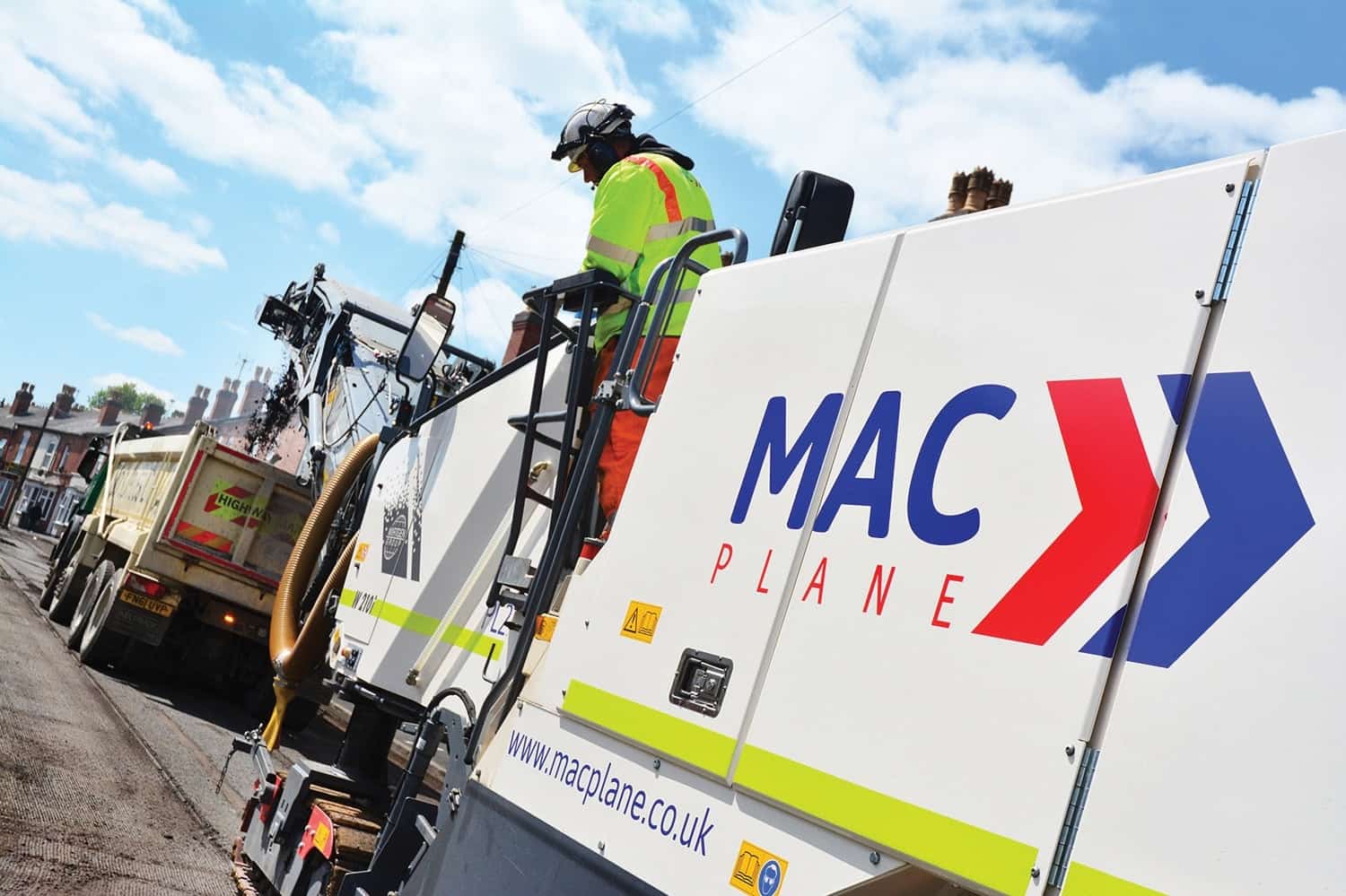
Road planings are the material recovered when a road planer removes the worn surface layer of an existing asphalt road. Because the process is mechanical rather than destructive, the recovered material stays a hardwearing, weather-resistant aggregate rather than waste to be disposed of. Where MAC runs both the planers and the tippers, planings come from live programmes rather than a stockpile of unknown origin, which matters when a client or principal contractor asks where the material has come from.
The practical uses on a live scheme are specific rather than universal. Planings suit car parks and hardstanding where a full blacktop finish is not yet required, farm tracks and access routes, temporary surfaces during a phased programme, and building sub-bases on development and civils work where the material is suitable for the load and drainage conditions. Suitability depends on the application, so the right approach is to specify the intended use and let the supplier confirm fit rather than assume one material suits every layer.
The regulatory route that makes reuse straightforward
Using waste material such as road planings in construction in England is governed by the Environment Agency's waste exemption regime. The U1 exemption for using waste in construction sets out how suitable waste materials can be used in construction, landscaping, drainage works and similar applications without needing a full waste management licence, provided the exemption is registered and the material and quantity limits are respected.
That route exists precisely because reusing recovered material like planings, rather than sending it to landfill and buying in new aggregate, is the outcome regulation is designed to encourage. For a contractor, understanding which exemption applies and confirming the supplier's own compliance is part of specifying the material properly, not an afterthought once it is already on site.
Where planings genuinely help a programme
- Reduced haulage of virgin aggregate onto site, which can shorten delivery lead times on a tight programme.
- A practical temporary surface during a phased scheme, where a full permanent finish is not yet appropriate.
- A cost-effective sub-base option on development and civils work, where ground conditions and specification allow it.
- A recycled-content answer on tenders that score sustainability and circular use of materials, backed by a traceable source.
None of that replaces proper specification. A contractor should still confirm gradation, suitability for the intended load and drainage behaviour with the supplier and, where relevant, the project's engineer, before committing planings to a permanent layer.
What to ask a planings supplier
Start with where the material comes from. A supplier who runs its own road planing operation can usually speak to the source and condition of the planings directly, rather than passing on material bought in from elsewhere. Ask how delivery is handled, since a supplier with its own tippers and haulage can plan drops around a live programme rather than a third party's schedule. Confirm tonnage or volume, the delivery window needed and the intended application, and expect the supplier to be straightforward about whether the material actually suits that use rather than simply confirming the order.
It is also worth asking what else the supplier can offer around the same programme. A contractor already booking operated planing or paver hire for the surfacing works can often source planings from the same operation, reducing the number of suppliers involved in the same scheme.
Specify the use, not just the tonnage
The material performs well when it is matched to the right layer and application. A tender or method statement that names road planings without stating the intended use, the layer they will form and the exemption they are supplied under leaves gaps a client or auditor can reasonably query later. Naming the application at the enquiry stage, whether that is a haul road, a sub-base or a temporary surface, gets a straighter answer from the supplier and a cleaner record for the project file.
If you are pricing a scheme where recycled road planings could replace virgin aggregate for part of the works, tell MAC the tonnage, the intended use and the programme dates through the contact page. We can confirm availability, suitability and a delivery plan that fits the works.
Frequently asked questions
What are road planings and where do they come from?
Road planings are the material recovered when a road planer removes the worn surface layer of asphalt. Where MAC runs both the planers and the tippers, planings come from live planing programmes rather than an unknown stockpile.
What can recycled road planings be used for on a commercial or civils scheme?
Common uses include car parks and hardstanding, farm tracks and access routes, temporary surfaces during a phased programme and building sub-bases, depending on suitability for the specific application.
Do contractors need a waste exemption to use road planings?
Using waste materials such as planings in construction in England is generally covered by the Environment Agency's exemption regime, including the U1 exemption for use in construction, subject to registration and the applicable material and quantity limits.
Does MAC deliver road planings to site?
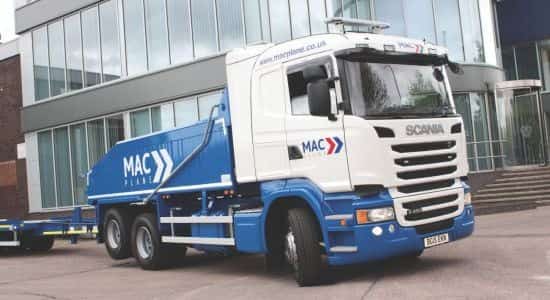
Yes. MAC loads and delivers planings using its own tippers and haulage, planned around the tonnage, delivery window and programme the contractor needs.