
Every plant manager and contracts manager weighing up a hire partner asks some version of the same question, usually not out loud: what happens if the machine stops. A paver or planer that goes down mid-shift on a live carriageway or a busy commercial site is not a minor inconvenience. It is lost production, a traffic management order running past its window and, on some jobs, a penalty clause starting to count.
This guide covers what contractors should ask a hire partner about breakdown cover before booking, and why the answer usually comes down to who owns the workshop.
The question worth asking before you book, not after
Most hire quotes cover the machine, the rate and the dates. Fewer say plainly what happens if that machine develops a fault three hours into a shift. Ask directly: is there a swap machine available, how is a fault diagnosed and repaired, and who gets a replacement to site. A hire partner who answers in specifics, not reassurance, is the one whose answer is worth relying on.
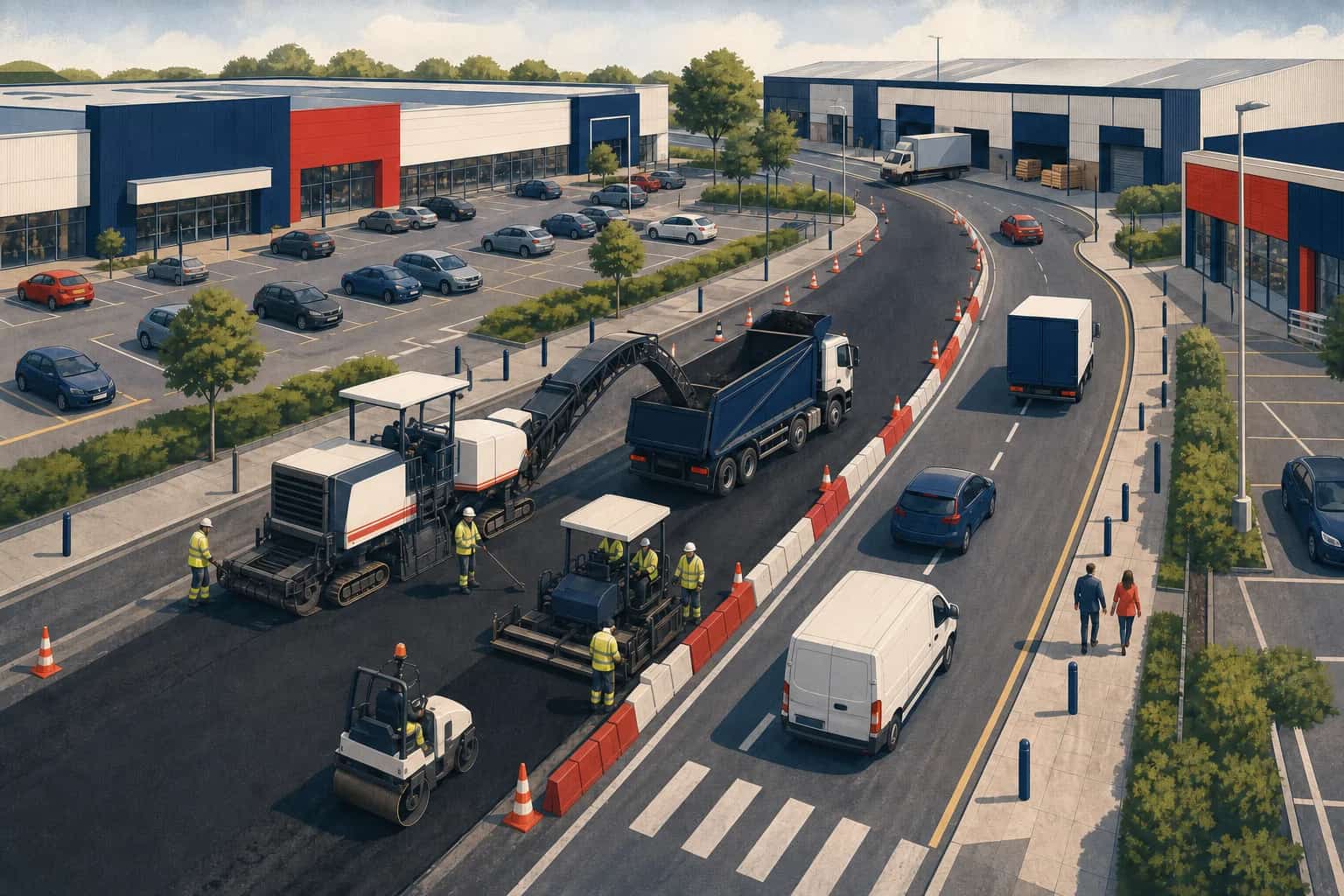
The scale of the problem depends on the job. A short domestic drive can absorb a delay that a live highways scheme, working inside a fixed possession or a council's approved hours, cannot. The worse the consequence of downtime, the more the breakdown answer should shape the choice of hire partner, not just the day rate.
Why in-house workshop back-up changes the outcome
Work equipment used on a construction site falls under the Provision and Use of Work Equipment Regulations (PUWER), which sets out the duty to maintain machinery so it remains safe throughout its working life. Regular maintenance reduces the chance of a fault in the first place, but it does not remove it entirely, and how quickly a fault is fixed once it happens is what separates hire partners in practice.
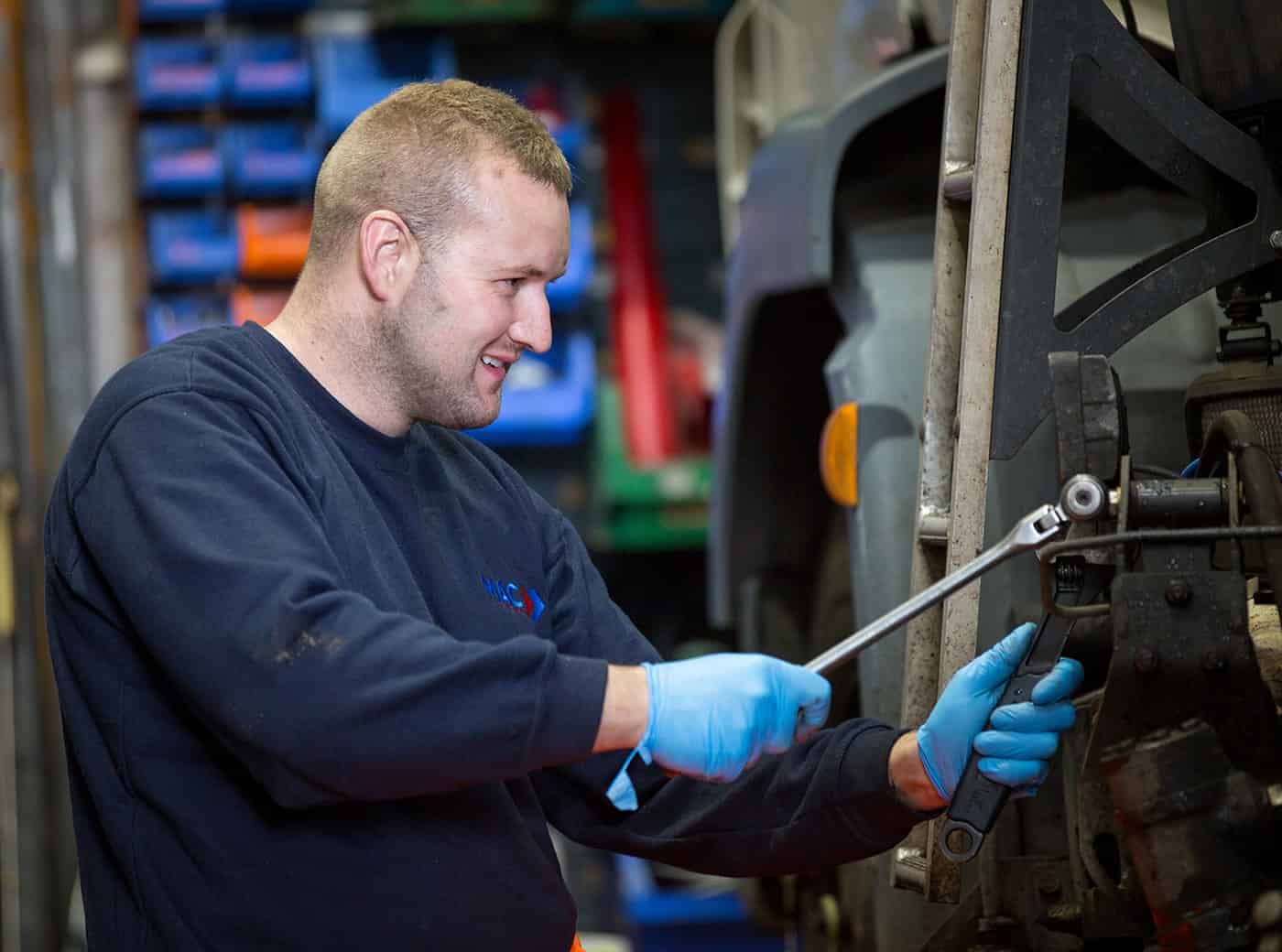
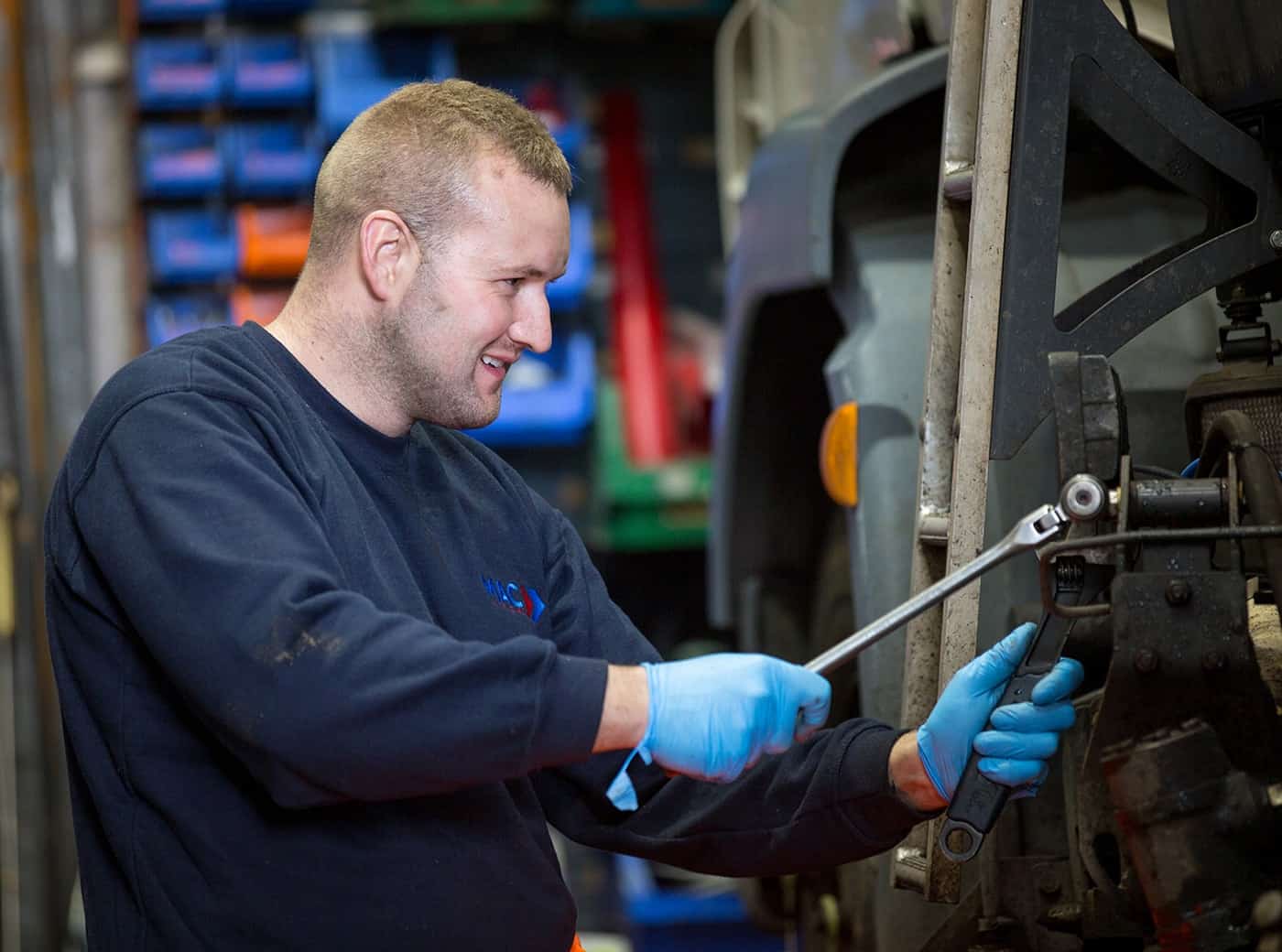
A machine serviced through an external hire desk usually means logging a fault, waiting for a callout to be scheduled and waiting again for the right part or engineer to be available. A machine backed by an in-house workshop cuts that chain: the people who maintain the fleet day to day are the same people who respond to it, working to the operator's own schedule rather than a third party's queue. That is the practical difference between plant that is maintained because a contract says so and plant that is maintained because the same team has to stand behind it tomorrow.
What good breakdown response actually looks like
- A first response that starts with a phone call to someone who can authorise a swap, not a ticket into a general enquiry queue.
- A workshop that can diagnose common faults without waiting for a third party engineer to become available.
- A swap machine that can realistically reach the site inside the window the programme needs, not a best efforts promise.
- 24/7 responsiveness that covers the hours the job actually runs, including early starts, night shifts and weekend possessions.
- Clear ownership: one team that owns the fault, the fix and the replacement, rather than the contractor coordinating between a hire desk and a separate repair contractor.
None of that shows up on a spec sheet. It only becomes visible when something stops working, which is exactly why it is worth asking about before the booking is confirmed rather than during the call when it happens.
Self-delivery is the reason the answer can be specific
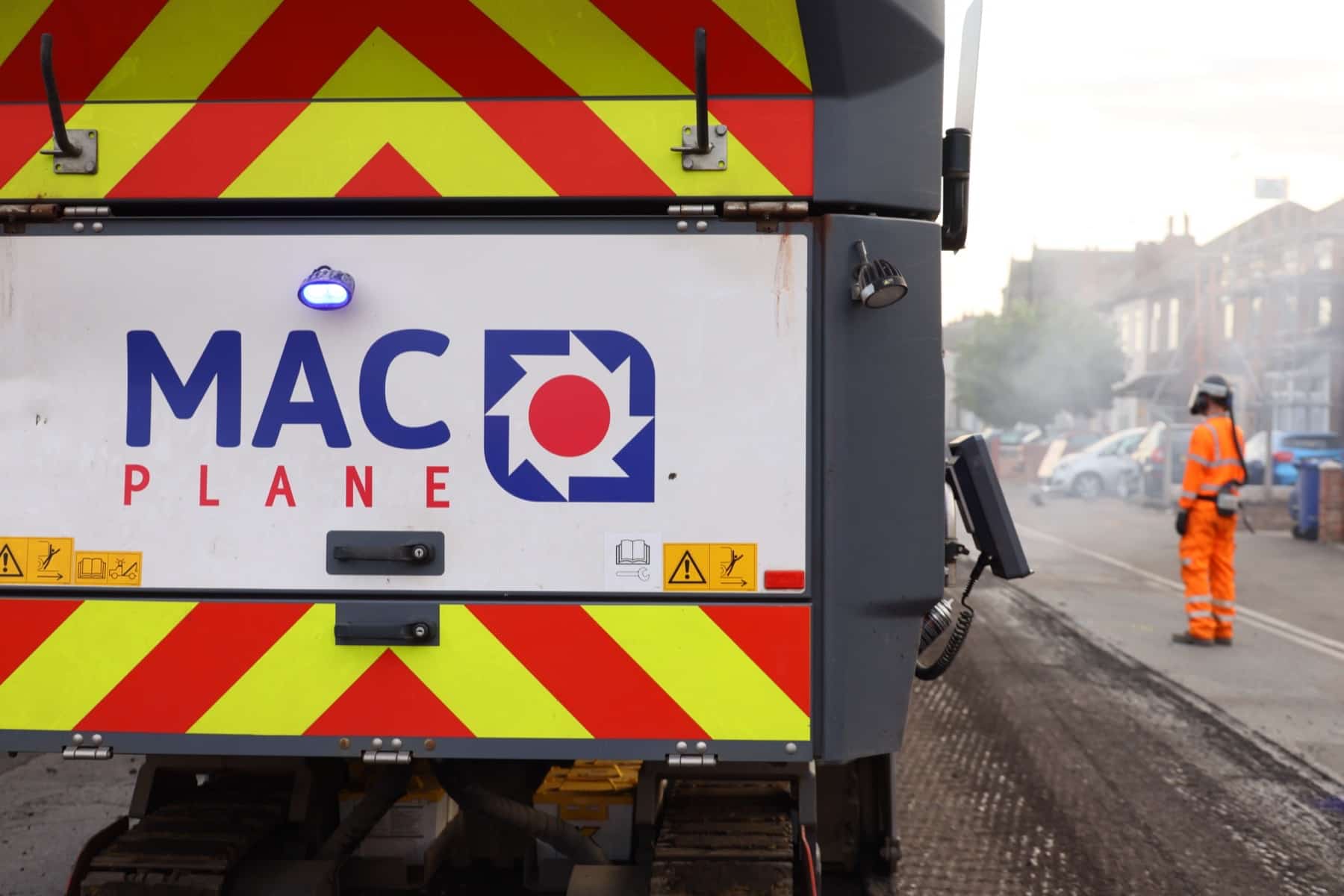
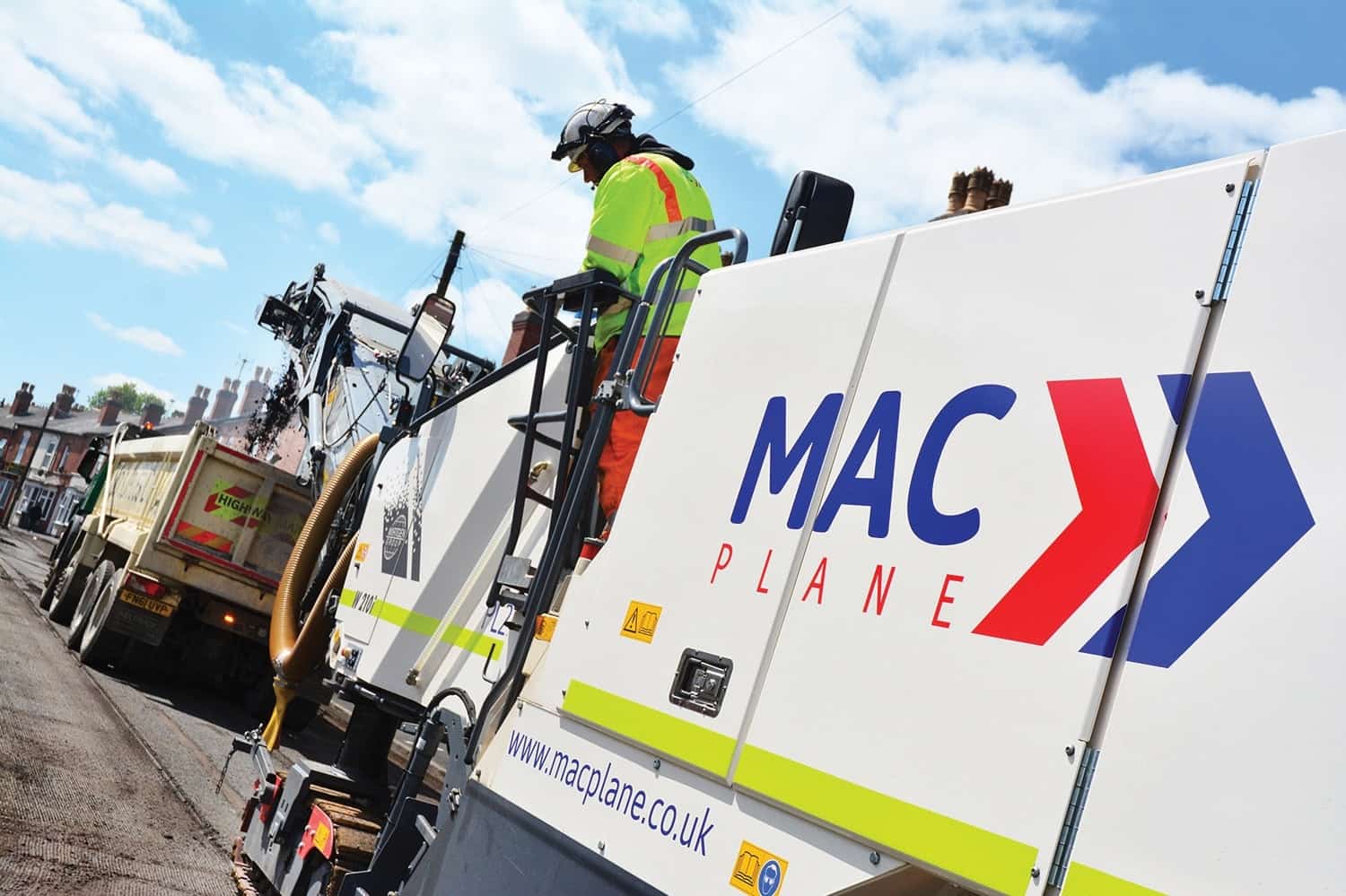
MAC runs its own plant, its own crews and its own workshop rather than subcontracting maintenance out. Operated paver hire and planer hire both carry the same answer to the breakdown question: repair or swap through the in-house workshop, backed by 24/7 responsiveness, because a stalled machine on a live programme is treated as MAC's problem to solve, not the contractor's to chase. Transport is self-delivered too, on MAC's own low-loaders, which is what makes a genuine same-day swap realistic rather than aspirational.
That ownership is also why the answer does not change depending on who happens to be on shift. The workshop, the transport and the crews all sit inside one operation, so the response to a breakdown does not depend on which subcontractor picks up the phone that day.
Build the answer into the enquiry, not the aftermath
When pricing a job with a tight possession, a fixed traffic management window or a penalty clause attached to overrun, ask the breakdown question as part of the enquiry, not as a footnote. A hire partner who can describe exactly what happens when a machine stops, in minutes and named people rather than general reassurance, is telling a contractor something real about how the rest of the job will run too.
If you are planning a programme where downtime genuinely cannot be absorbed, tell MAC the dates, the site constraints and the possession or working window through the contact page. We will set out exactly what back-up sits behind the plant before you commit to the booking.
Frequently asked questions
What happens if a hired paver or planer breaks down on a live job?
MAC is set up to repair or swap quickly through its own in-house workshop rather than wait on an external hire desk, backed by 24/7 responsiveness. On a live programme, a stalled machine is treated as MAC's problem too, so it is planned for before it happens.
Does MAC use its own engineers or a third party workshop?
MAC runs an in-house workshop, so servicing and repairs happen on MAC's own schedule rather than a third party's, and the team maintaining the fleet is the same team that responds when something goes wrong.
How does a swap machine get to site?
MAC delivers on its own low-loaders and transport, which is what makes a genuine same-day swap practical rather than dependent on a separate haulage supplier's availability.
Should breakdown cover be discussed before or after booking?
Before. Ask what happens if the machine stops as part of the enquiry, particularly on jobs with a fixed possession, traffic management window or penalty clause, so the answer is known before it is needed.