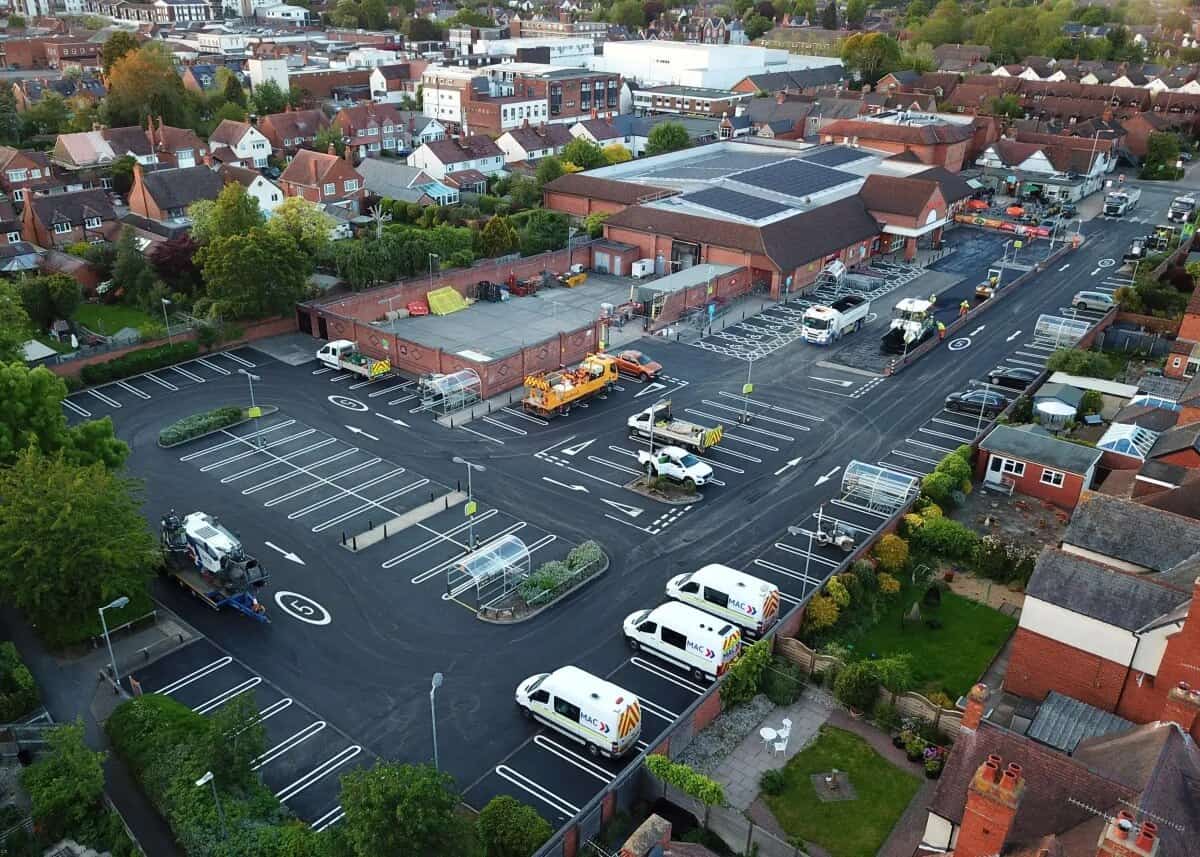

Standing water on a car park is not just an inconvenience. It is usually evidence that the falls, gullies or surrounding levels are no longer doing their job. If you resurface over that problem, the new asphalt will look better for a while and then start holding water in the same places.
This guide is for facilities managers, landlords and estate teams deciding whether drainage work is needed before resurfacing. No prices here (always POA after survey). Just how to read ponding, what to check, and when falls need correcting as part of the job.
Why ponding matters before any new surface goes down
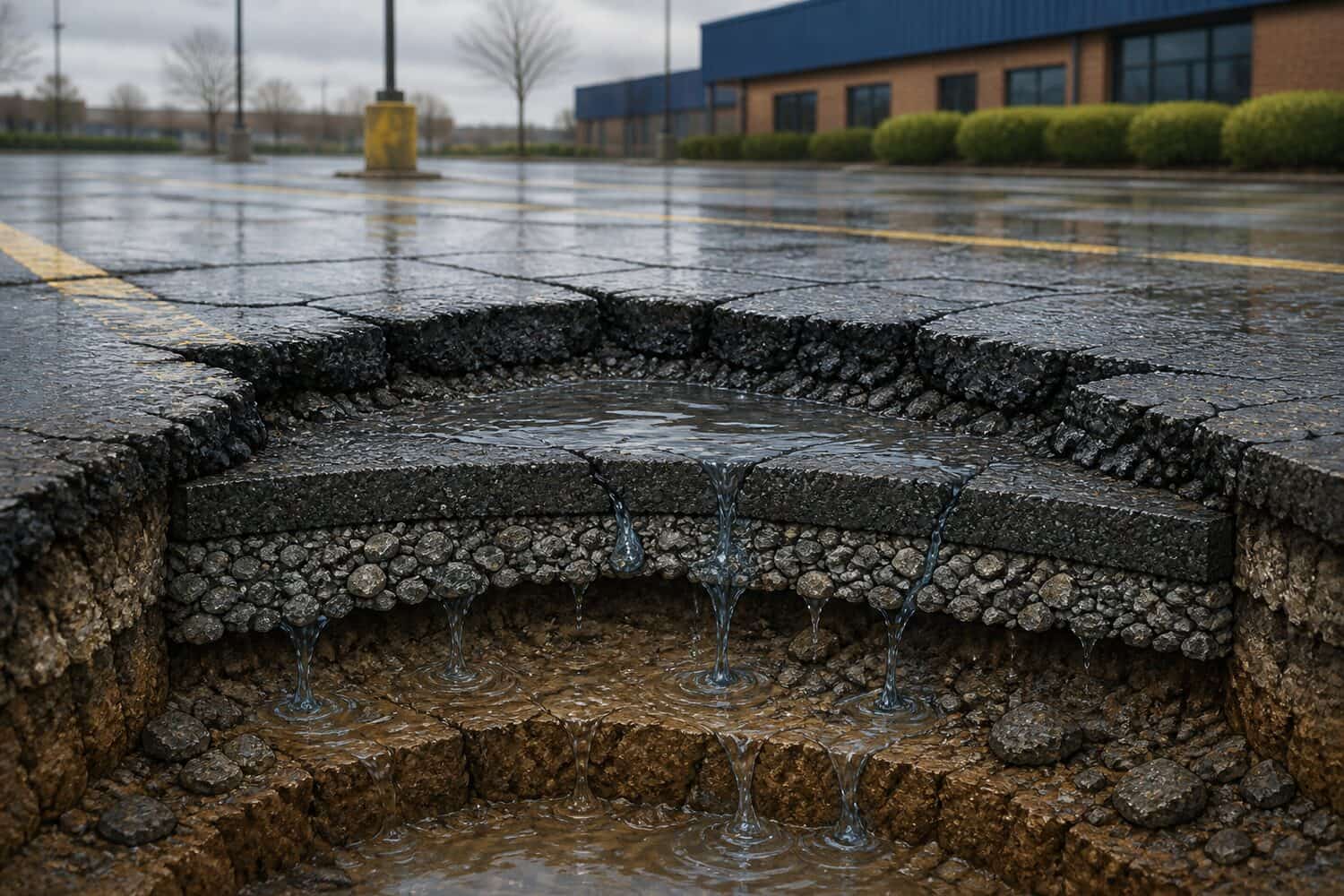
Water softens support layers, freezes in winter, polishes pedestrian routes and opens the same failure zones again and again. A resurface that ignores drainage usually inherits the old wet spots. That shows up as:
- Persistent puddles in the same bays after rain
- Slippery shaded crossings and thresholds
- Early fretting or potholes in the wet wheel tracks
- Accessible bays or walkways that stay unusable after showers
If the site already has that history, drainage is part of the resurfacing decision, not an optional extra.
What to check on a wet-weather walk
Walk the park after rain, not only on a dry afternoon. Look for:
- Where water sheets across pedestrian desire lines
- Whether gullies are high, blocked, sunken or bypassed
- Whether building downpipes dump water onto parking lanes
- Whether shade keeps one zone wet long after the rest has dried
- Whether the surface itself has lost shape through settlement or patching
Photos help, but timing matters. A dry survey can miss the exact route water takes when the park is busy and wet.
Falls, gullies and soft spots: the three usual culprits
Most drainage failures on car parks come down to one of three issues:
- Falls. The surface no longer carries water to the outlets because levels have settled, been patched flat, or were never right.
- Gullies and outlets. The water reaches the right area, but the outlet is blocked, broken or sitting above the surrounding surface.
- Soft spots. Water is getting into a weak base, so the area keeps pumping, flexing and holding moisture even after the rain stops.
A coating or thin overlay will not correct those. If the levels are wrong, the levels need changing while the surface is open.
When resurfacing alone is enough
Drainage correction is not automatic on every job. Resurfacing alone can be enough when:
- Water still reaches working gullies
- Ponding is minor and caused by surface wear rather than collapsed falls
- There are no soft spots under the wet areas
- Accessible routes and crossings are not being compromised
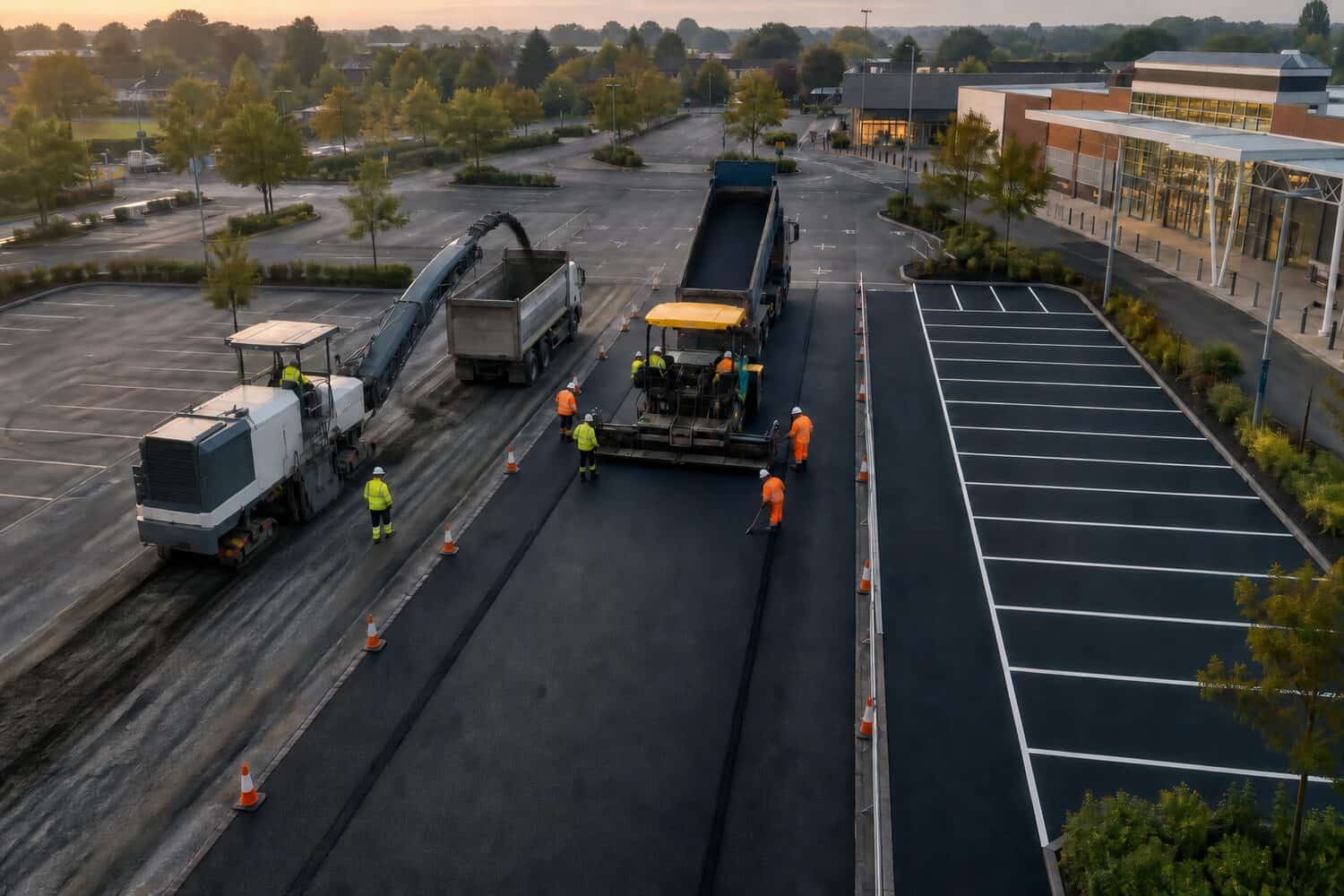
In those cases a proper plane and resurface can restore shape and texture without a wider drainage rebuild. The survey should say that plainly.
When drainage must be corrected first or at the same time
Build drainage into the programme when ponding is repeated, soft or tied to access routes. Typical triggers include:
- Water sitting for hours in the same bays
- Ice forming on pedestrian paths in winter
- Recurring potholes in the wet zones
- Failed or high ironwork creating local ponds
- Run-off from roofs, ramps or neighbouring ground dumping water onto the park
That is also when resurfacing becomes an opportunity. Once the surface is opened, falls can be corrected, soft spots rebuilt and outlets reset before the new mat goes down. Skip it and you pay twice.
How to brief the works without guessing
Ask the contractor to separate:
- Surface resurfacing
- Local fall correction
- Gully or ironwork resetting
- Base repairs under wet soft spots
That split keeps the decision honest. You can approve the core safety package even if some optional layout improvements wait. It also stops the job being sold as “just a resurface” when the wet-weather evidence says otherwise. Pair this with the recurring pothole guide if the same wet zones keep opening up.
Frequently asked questions
Does standing water mean drainage work before resurfacing?
Often yes. If water sits in the same places after rain, check falls, gullies and soft spots before locking a surface-only programme.
Can falls be corrected during resurfacing?
Yes. That is one of the main advantages of opening the surface properly rather than sealing over the wet areas.
What if only one corner of the car park ponds?
Local correction may be enough. The rest of the park can often be resurfaced normally once that wet zone is properly rebuilt and drained.
Will better texture fix ponding?
No. Texture helps grip. It does not move water if the levels are wrong.
How do we prove drainage needs to be included in a grant or budget case?
Use wet-weather photos, a short survey note and a scope that separates drainage correction from the resurfacing itself. The grant evidence guide covers how to present that pack.
Next step
Walk the park wet, mark the ponding routes, and get a survey that says whether the problem is surface shape, outlets or the base underneath. Then set the resurfacing scope around that evidence.
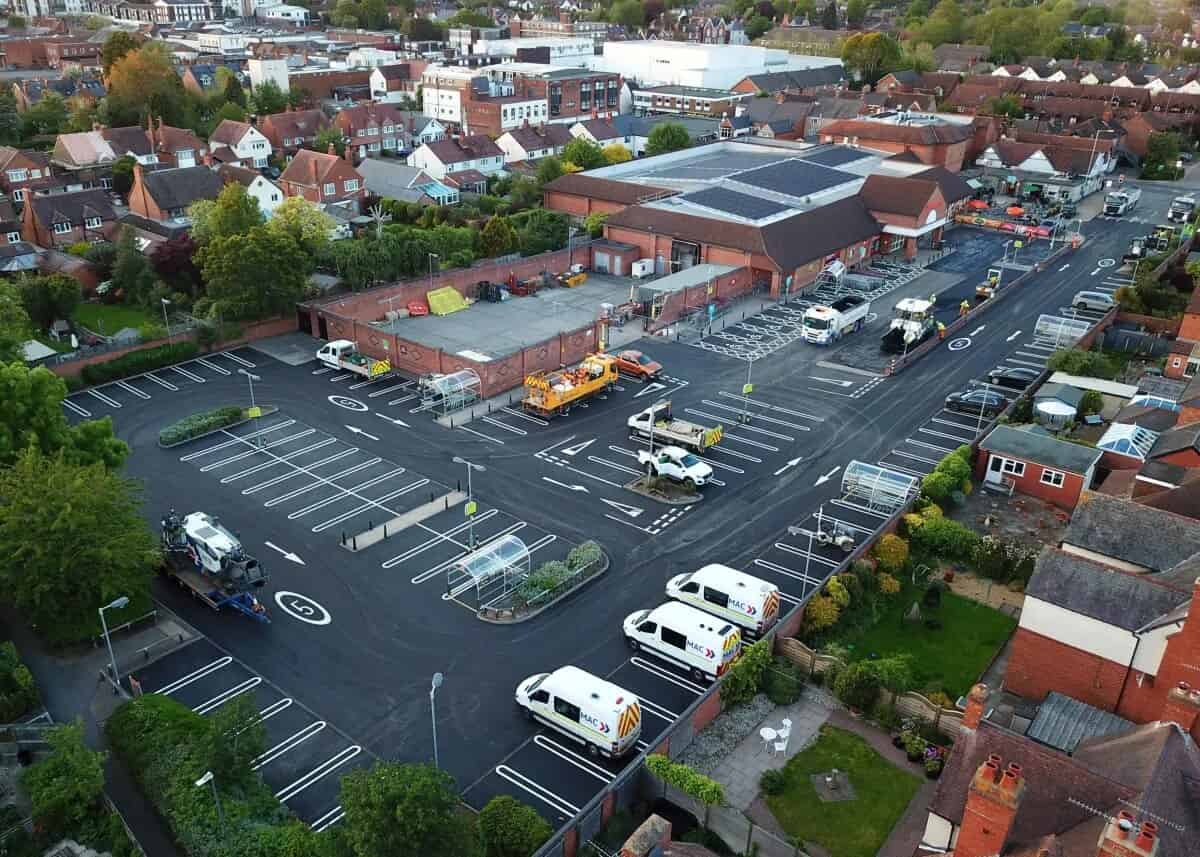
MAC Surfacing delivers car park resurfacing across the West Midlands and further afield with own crews, own plant and own planing, so drainage, base repairs and the new surface can be planned as one accountable programme. On commercial parks around the region, the resurfaces that stay dry are the ones that fix where the water goes. Yours can be one of them.