
If the same potholes keep opening in the same places, the surface is telling you something. Filling the hole again may buy a quiet month. It rarely fixes the reason the asphalt failed there in the first place.
This guide is for facilities managers, landlords and site owners dealing with recurring potholes on car parks, estate roads and yards. No prices here (always POA after survey). Just why patches fail, what is usually underneath them, and when resurfacing becomes the cheaper decision.
A pothole is a symptom, not the whole problem
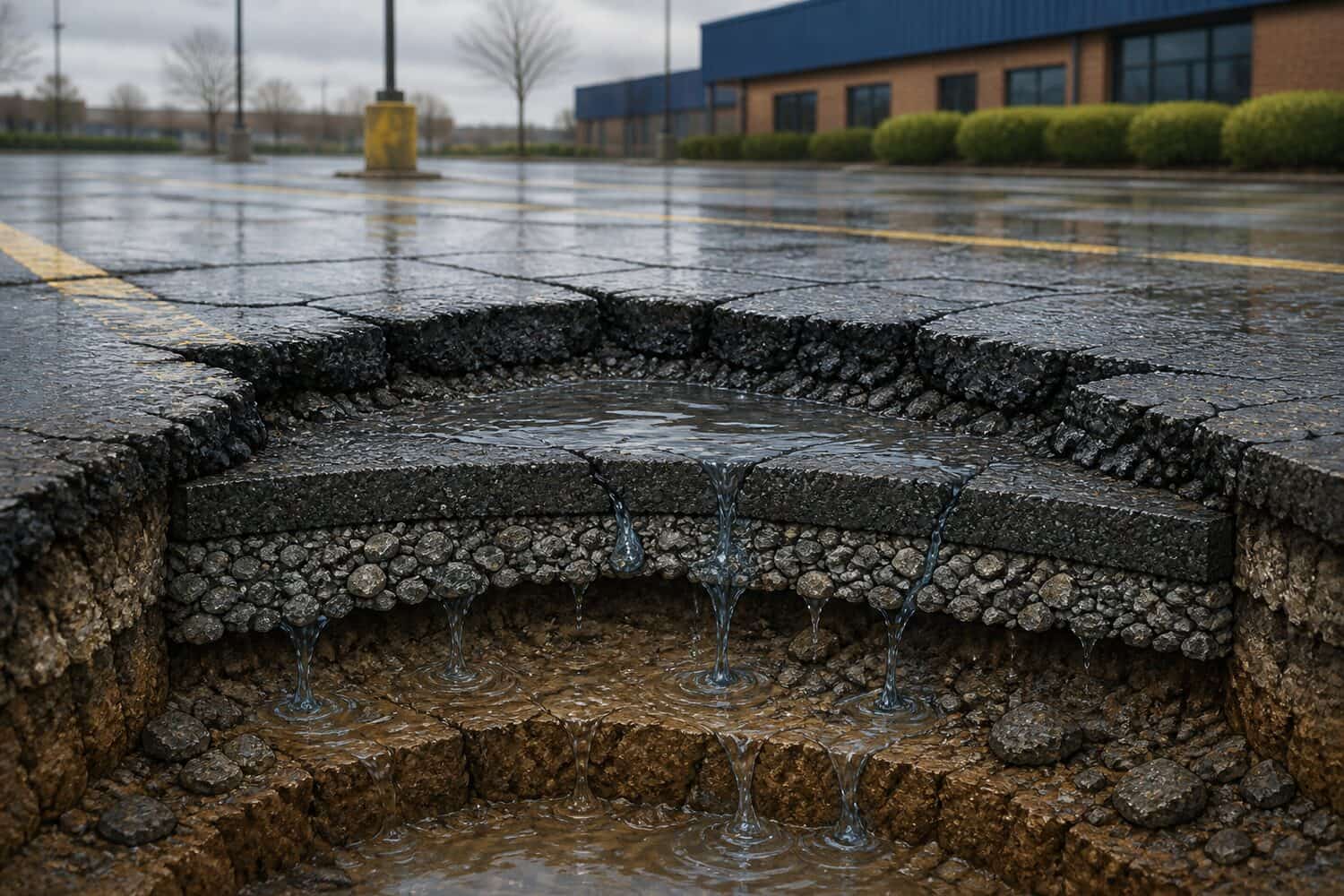
Asphalt fails when water, traffic and a weak support layer meet. The visible hole is the end of that process. Typical causes include:
- Water getting through cracks and fretting into the base
- A soft or failed base that cannot carry turning loads
- Standing water from poor falls or blocked drainage
- Thin or worn surface layers that have lost their strength
- Repeated freeze-thaw damage in the same wet zones
If those conditions stay in place, a neat patch is temporary. Traffic opens the edge, water returns, and the next hole appears beside or under the last repair.
Why quick fills keep failing
Emergency patching has a job: make the area safe quickly. It is not a full repair method. Common reasons the same bay fails again:
- The failed material was not cut back to sound edges
- The wet or soft base was left in place
- The patch was too shallow for the traffic using that zone
- Water still ponds on or beside the repair
- Heavy turning keeps loading the same weak spot every day
That is why sites can spend years on patch invoices without ever feeling finished. Each visit treats the symptom. The underlying failure path stays open.
Surface failure or base failure?
This is the decision that matters. A surface-only problem can often be planed and resurfaced cleanly. A base problem needs more:
- Surface-led failure: fretting, widespread cracking, polished texture, shallow potholes over a still-firm base
- Base-led failure: soft spots, pumping, deep holes, repeating patches in the same wheel tracks, movement underfoot or under a vehicle
If a surveyor can push a probe into soft ground under the hole, or the area flexes under load, do not expect another cold fill to hold. Open it properly, rebuild the support, then surface it.
Drainage turns small defects into permanent ones
Recurring potholes almost always sit where water sits. Check:
- Whether falls still take water to gullies
- Whether gullies are blocked, sunken or bypassed
- Whether building run-off dumps water onto the same parking lane
- Whether shade keeps one zone wet long after the rest of the park has dried
Resurfacing over a drainage fault copies the problem into the new surface. If ponding is part of the history, correct the falls while the area is open. Our guide to why new surfacing cracks, patches or ponds covers what happens when that step is skipped.
When patching still makes sense
Not every hole means a full resurface. Patching is still the right first move when:
- The damage is isolated
- The surrounding surface and base are sound
- Drainage still works
- The repair can be cut back properly and reinstated to depth
A proper repair is different from a temporary fill. It removes failed material, reinstates support and leaves a sound edge. That can buy years when the failure really is local.
When resurfacing becomes the cheaper path
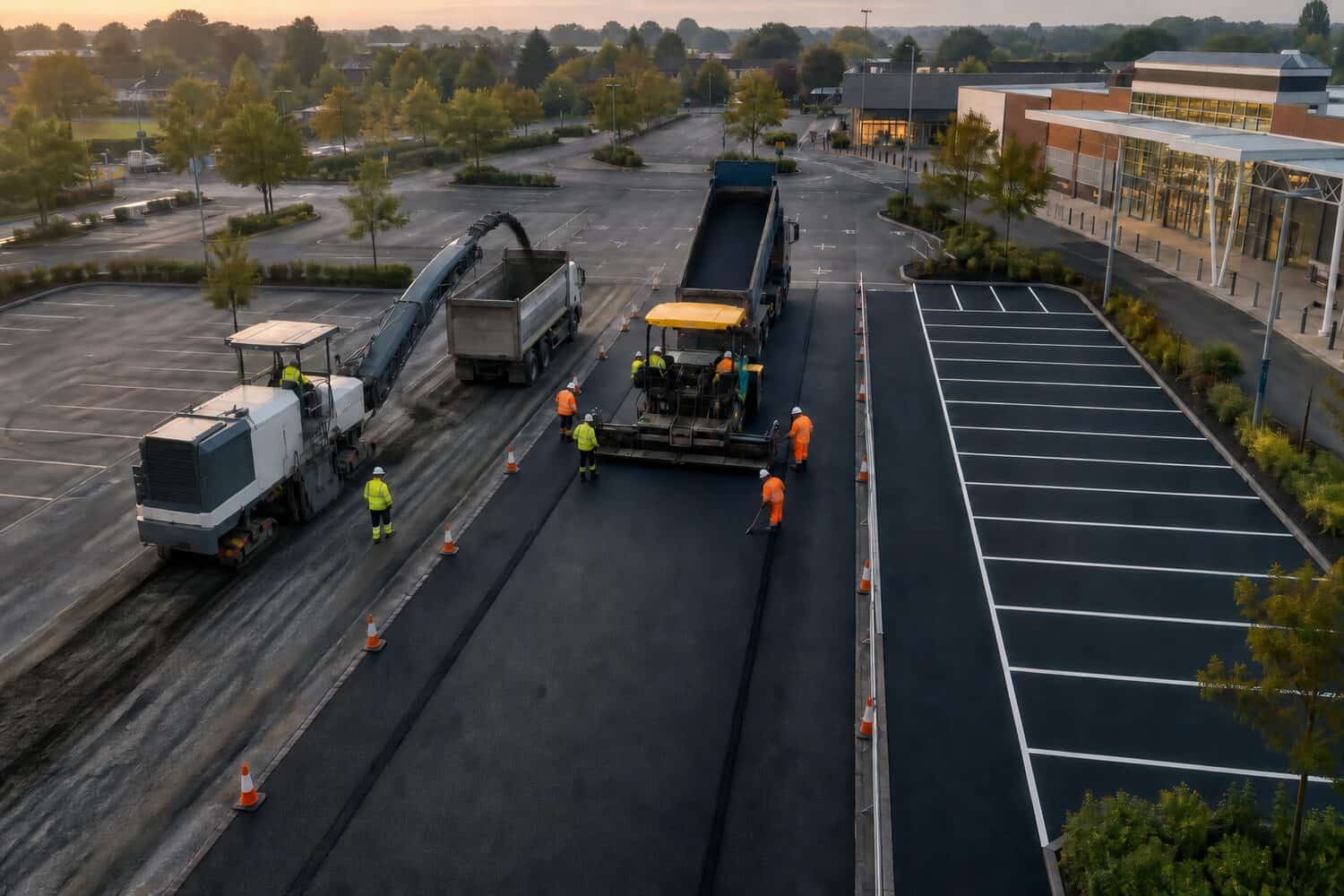
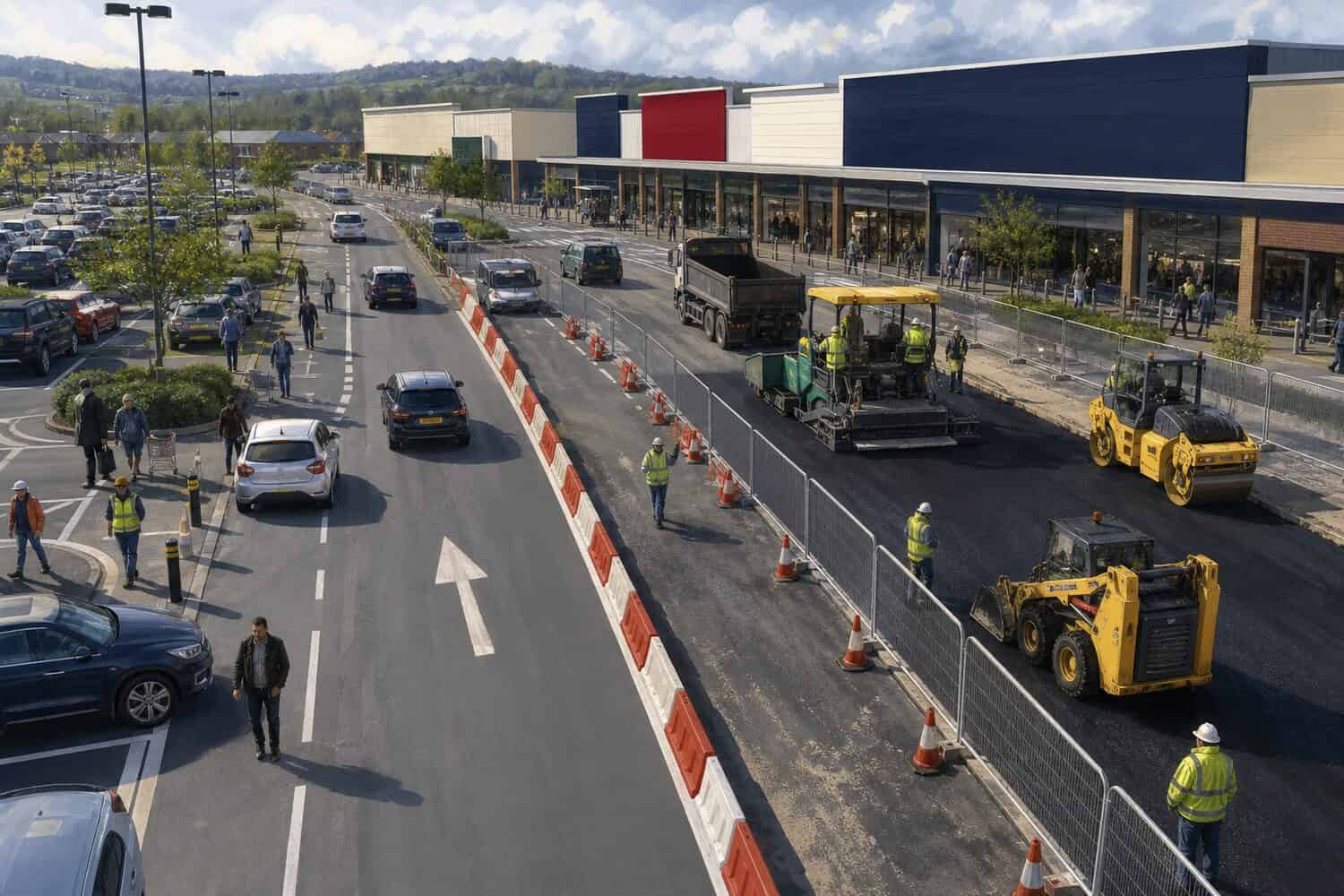
Resurfacing starts to win when the same zones keep coming back, the patch map is spreading, or the base and drainage need opening up across a wider area. At that point you are no longer comparing one patch with one resurface. You are comparing years of repeat mobilisation, complaints and emergency callouts with one planned programme.
That is the whole-life view set out in the repair or resurface guide. Once the same bays fail every winter, continuing to patch is a decision, not a delay.
Frequently asked questions
Why do potholes keep coming back after they are filled?
Usually because water, traffic and a weak base are still there. A shallow fill does not remove the failure path, so the next hole opens in the same place or beside it.
How can I tell if the base has failed?
Soft ground under the hole, pumping water, deep voids and repeating patches in the same wheel tracks are strong signs. A short survey settles it properly.
Is temporary patching a waste of money?
No, if it is making an unsafe area usable until a proper repair or resurface can be programmed. It becomes expensive when it replaces the decision rather than bridging to it.
Should drainage always be checked before resurfacing?
Yes wherever ponding or repeated wet-zone failure is part of the history. New asphalt on the wrong falls will fail early.
When should we stop patching and resurface?
When the same zones keep failing, the patch map is spreading, or base and drainage need correcting across more than a few isolated spots.
Next step
Map the repeating holes, check whether water sits there, and get a short survey that separates surface wear from base failure. Then compare another patch round with a proper repair or resurface on the evidence.
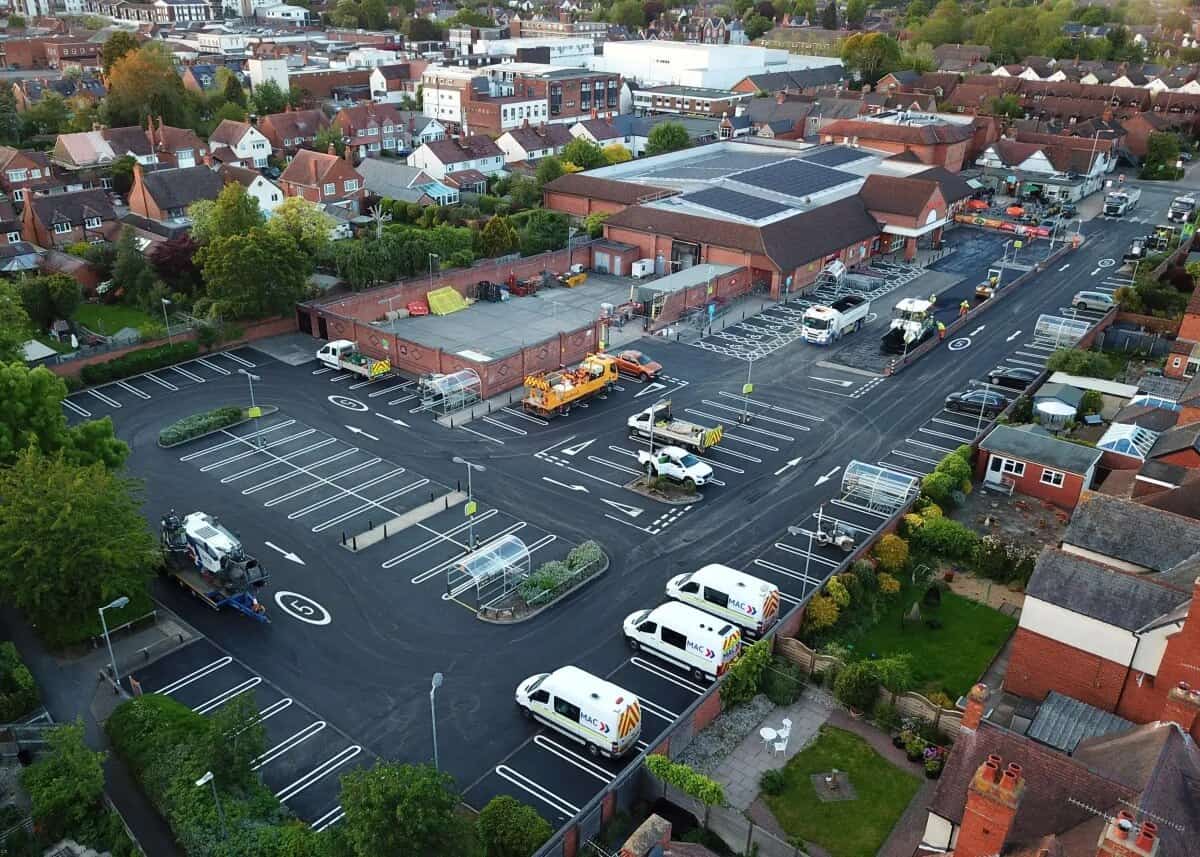
MAC Surfacing delivers car park resurfacing across the West Midlands and further afield with own crews, own plant and own planing, so failed zones can be opened, drained and rebuilt as one accountable job. On parks and estate roads around the region, the sites that stop chasing the same potholes are the ones that finally fix what sits underneath them. Yours can be one of them.