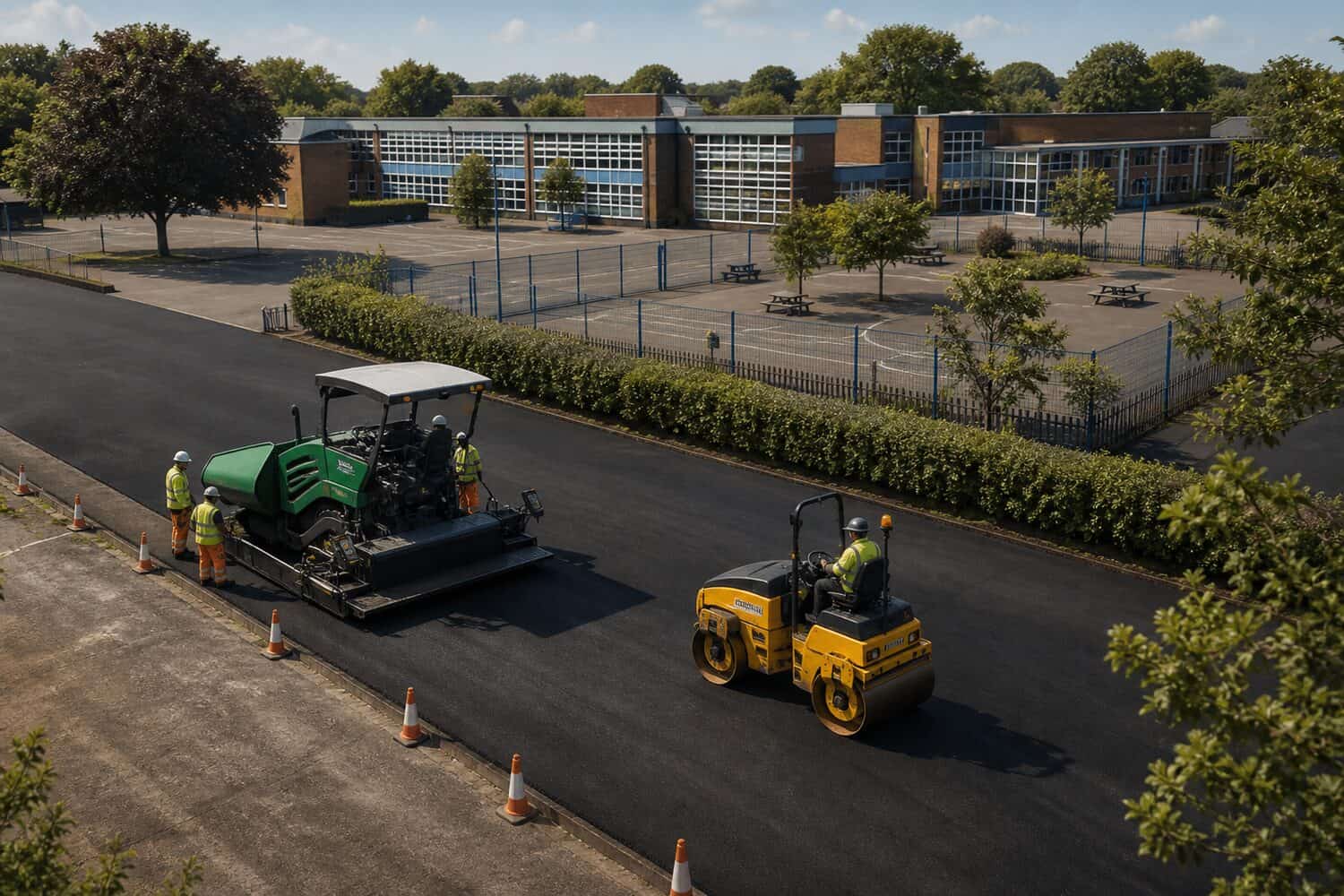

Tarmac and resin-bound surfaces solve different problems. On a busy commercial car park the wrong choice usually shows up as early wear, messy repairs or a surface that cannot take the traffic it was meant to carry. This guide compares the two for heavy vehicles and UK weather, without prices (always POA after survey), so facilities managers can match the surface to the job rather than the brochure.
What each surface is actually for
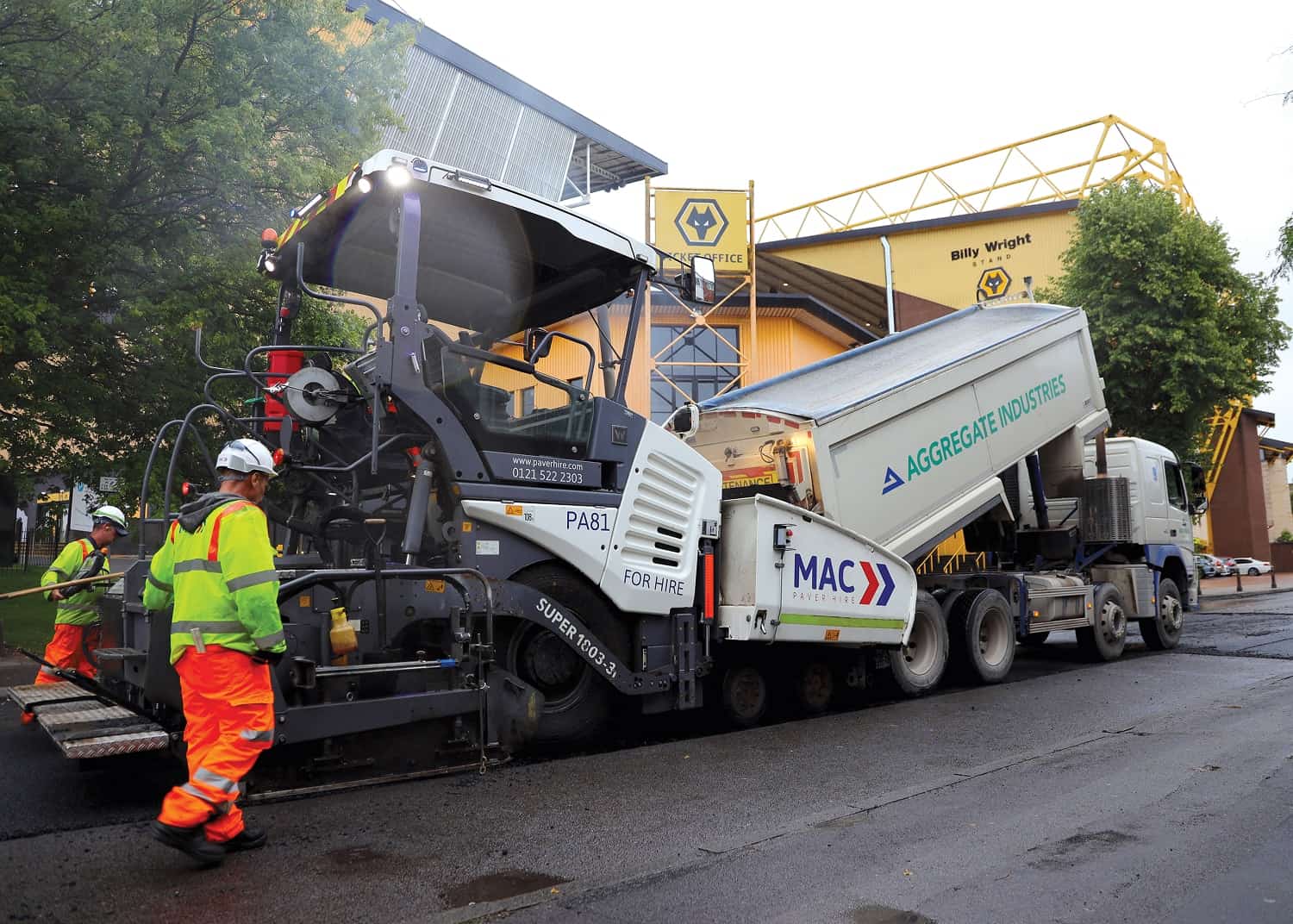
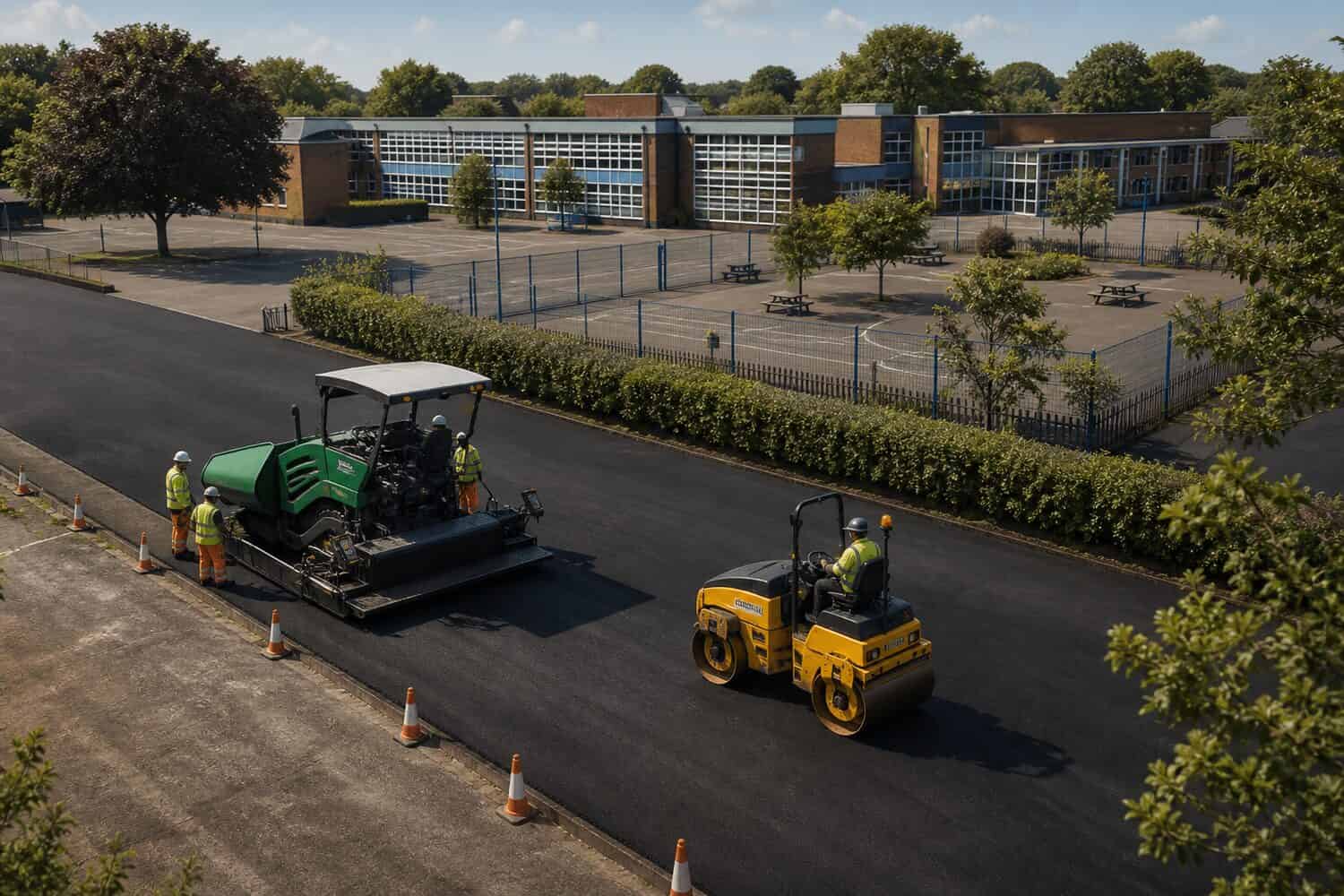
Tarmac (asphalt) is the workhorse for commercial parks, yards and delivery routes. It is laid hot, compacted and designed around falls, construction depth and traffic class. Resin-bound systems are decorative permeable surfaces: stone held in a clear binder, usually on a prepared base, aimed at appearance and light to medium use.
Both can look good on day one. The difference is what happens under turning, braking, standing water and winter weather.
Heavy vehicles and turning traffic
Where vans, refuse vehicles, care home deliveries or logistics traffic turn repeatedly, asphalt is usually the practical answer. Those zones concentrate load into the same tyre paths. A surface that looks neat in a quiet courtyard can fretting, scuff or deform early under that stress.
Resin-bound surfaces can suit lighter visitor parks, courtyard edges, pedestrian approaches and amenity areas when the base, edges and drainage are right. They are less forgiving where HGV or repeated tight turning is part of daily use. If those loads are unavoidable, plan the heavy zones in asphalt and keep resin for the lighter areas rather than forcing one product across the whole site.
UK weather, drainage and falls
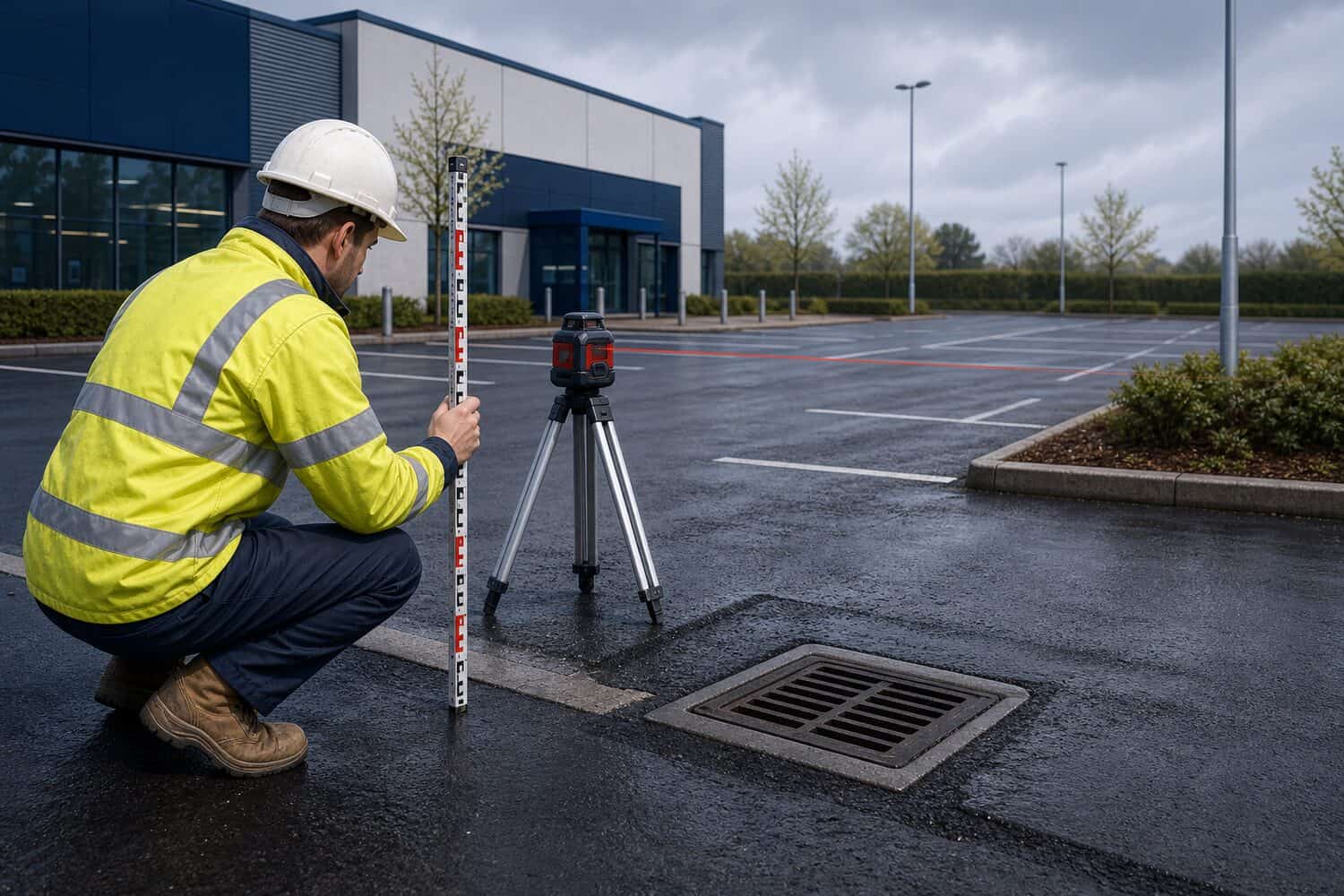
Weather rarely ruins a good construction on its own. Water does. Asphalt needs correct falls to take rain to gullies. Resin-bound systems are often sold on permeability, but they still need a sound, drained base and edges that do not trap water. If the ground underneath saturates or the falls fail, either finish can fail early.
In freeze thaw conditions, open fretting and standing water accelerate damage. That is why drainage checks sit before product preference. See drainage before resurfacing and how long a commercial car park surface lasts.
Maintenance and repair reality
Asphalt repairs are familiar on commercial sites: local plane and relay, patching where justified, and full resurfacing when the mat is spent. Resin-bound repairs can be less tidy if colour matching and edge blending are poor, and they still depend on the base remaining sound.
Neither product rescues a failed support layer. Soft spots, pumping and deep repeating holes point to reconstruction first, then the finish. Our guide to resurfacing versus reconstruction covers that split.
A practical way to choose
Ask the survey to answer four questions before anyone argues brand names:
- What vehicles use each zone, and how often do they turn or brake there?
- Where does water go after heavy rain?
- Is the base firm across the park, or only in some bays?
- Does the site need one uniform finish, or can heavy and light zones differ?
For most working commercial parks in the West Midlands, asphalt remains the default for traffic areas. Resin-bound can still be the right choice for lighter, more presentational spaces when the construction and drainage behind it are honest.
Frequently asked questions
Is tarmac better than resin for heavy traffic?
Usually yes for delivery routes, turning heads and busy commercial parks. Resin-bound finishes are better matched to lighter use and amenity areas.
Can one site use both?
Yes. Many practical schemes keep asphalt in the vehicle lanes and reserve resin-bound for courtyards, approaches or lighter bays.
Does resin-bound remove the need for drainage design?
No. Permeability does not replace a sound base, working outlets and controlled falls. Water still has to leave the construction safely.
Which lasts longer in UK weather?
Lifespan follows construction quality, traffic and maintenance more than the label. A well built asphalt park under heavy use can outlast a decorative finish in the wrong place, and the reverse can be true on light amenity ground.
Should we decide the finish before the survey?
No. Decide the traffic zones and drainage first, then choose the finish that fits each zone.
Next step
Map the heavy and light zones, walk the site after rain and get a survey that names the finish by use, not by preference alone.
MAC Surfacing delivers car park resurfacing across the West Midlands and further afield with own crews, own plant and own planing, so the construction, drainage and finish can be planned as one accountable package. Built to last means the surface matches the traffic that will actually use it.